
Sustainable Workwear Trends 2026 That Last
The best workwear no longer belongs only in the office. It moves from an early meeting to a coffee run, a flight, dinner, and the next day without feeling overworked. Sustainable workwear trends 2026 reflect that reality: fewer pieces, better fabrics, cleaner silhouettes, and a sharper focus on clothes that earn their place in your wardrobe.
This is not about building a uniform that feels restrictive or buying basics simply because they carry a sustainability claim. The shift is toward considered dressing - modern pieces made to be styled often, cared for well, and worn across seasons. For professionals who value polish but refuse to compromise on comfort, that is a much more useful definition of sustainable style.
Sustainable Workwear Trends 2026: Less Excess, More Wear
The strongest workwear direction for 2026 is restraint. Instead of trend-led pieces with a short window of relevance, wardrobes are becoming more intentional. Think relaxed blazers, wide-leg trousers, refined shirts, waistcoats, and dresses with enough structure for work but enough ease for everything after it.
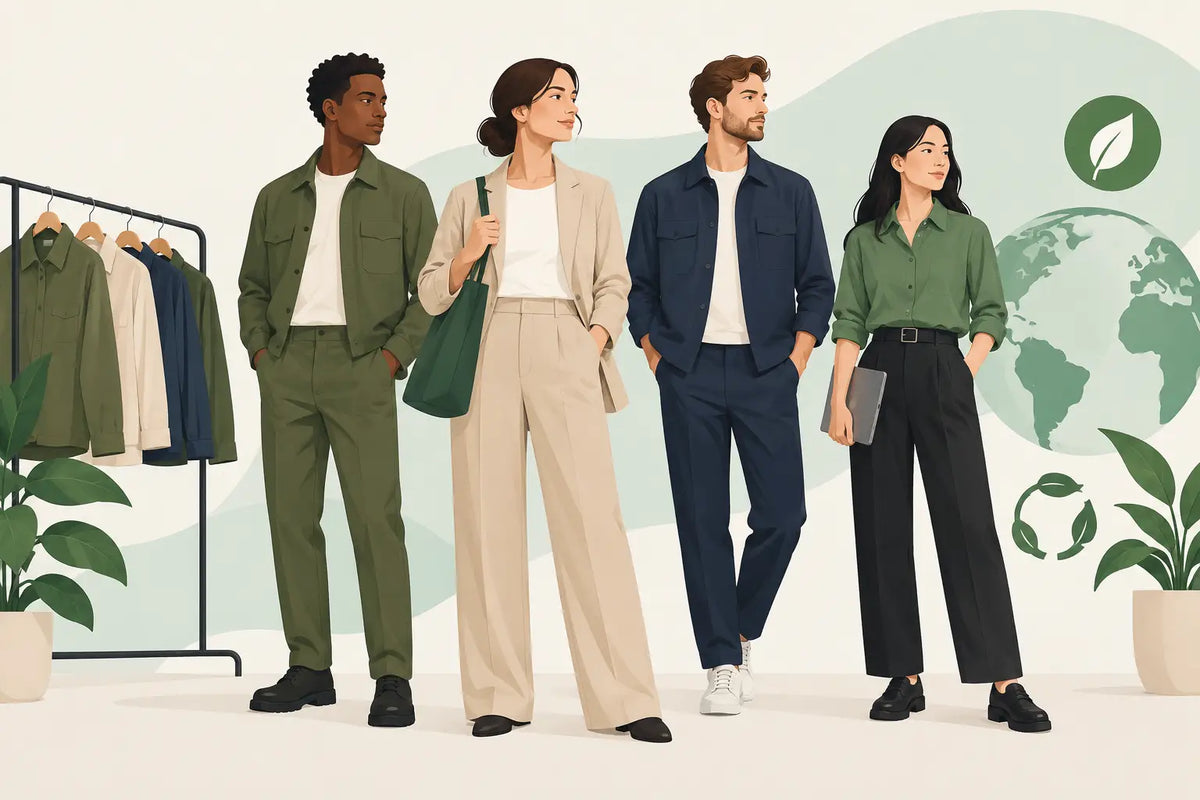
The goal is not to make every outfit neutral or identical. It is to choose color, shape, and fabric with repeat wear in mind. A black blazer remains essential, but warm stone, deep olive, soft tobacco, navy, and muted blue offer the same versatility with more character. These shades work together naturally, making it easier to get dressed without owning more.
This matters because the most responsible garment is not simply one made from a preferred fiber. It is one you reach for regularly. A piece that works only for a specific dress code, season, or occasion may be beautifully made, but it will not do as much for your wardrobe as a trouser, shirt, or matching set you can wear weekly.
Natural fabrics take center stage
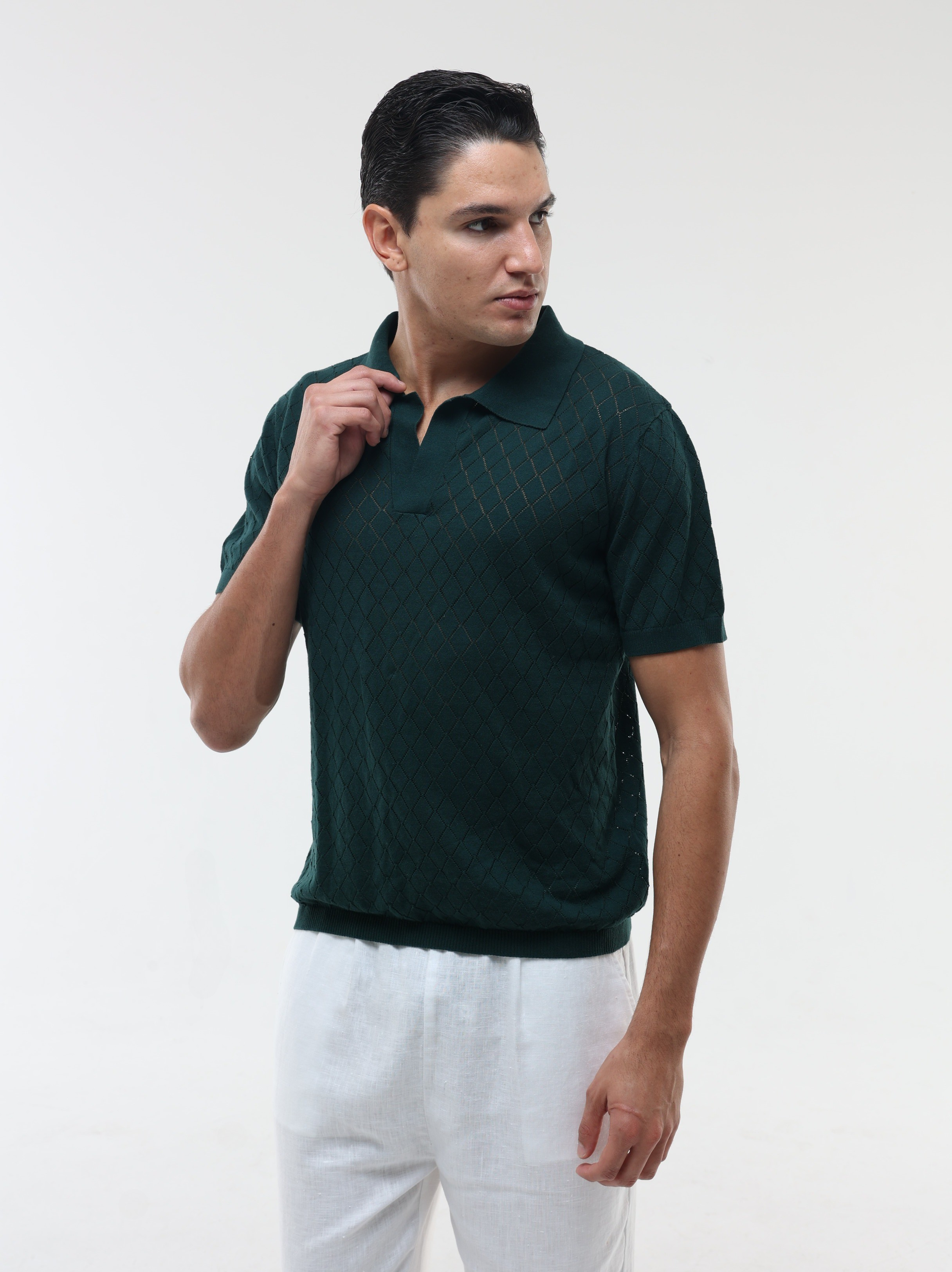
Fabric is becoming the starting point, not the final detail. Linen and cotton continue to define elevated workwear, particularly for warm climates, commutes, and travel-heavy schedules. Their appeal is practical: they are breathable, comfortable against the skin, and naturally suited to the relaxed tailoring now shaping professional wardrobes.
Linen is especially relevant in 2026 because its texture brings depth to minimal outfits. A linen blazer with matching trousers feels composed without the stiffness of traditional suiting. A crisp linen shirt can be styled with tailored pants for work, then left open over a tank on the weekend. The natural creasing is part of the look, not a flaw to fight.
Cotton earns its place differently. Poplin shirts, structured cotton dresses, and substantial jersey layers offer a cleaner finish when the day calls for more definition. The key is choosing fabric weights that match your climate and routine. Lightweight linen may be ideal for a hot city, while cotton twill or denser shirting can carry you through cooler offices and transitional months.
Natural fibers are not automatically perfect. They can wrinkle, require thoughtful washing, and vary widely in quality. But when chosen for their real purpose rather than their label, they bring comfort and longevity that synthetic-heavy workwear often struggles to match.
Tailoring Gets Softer, Not Less Serious
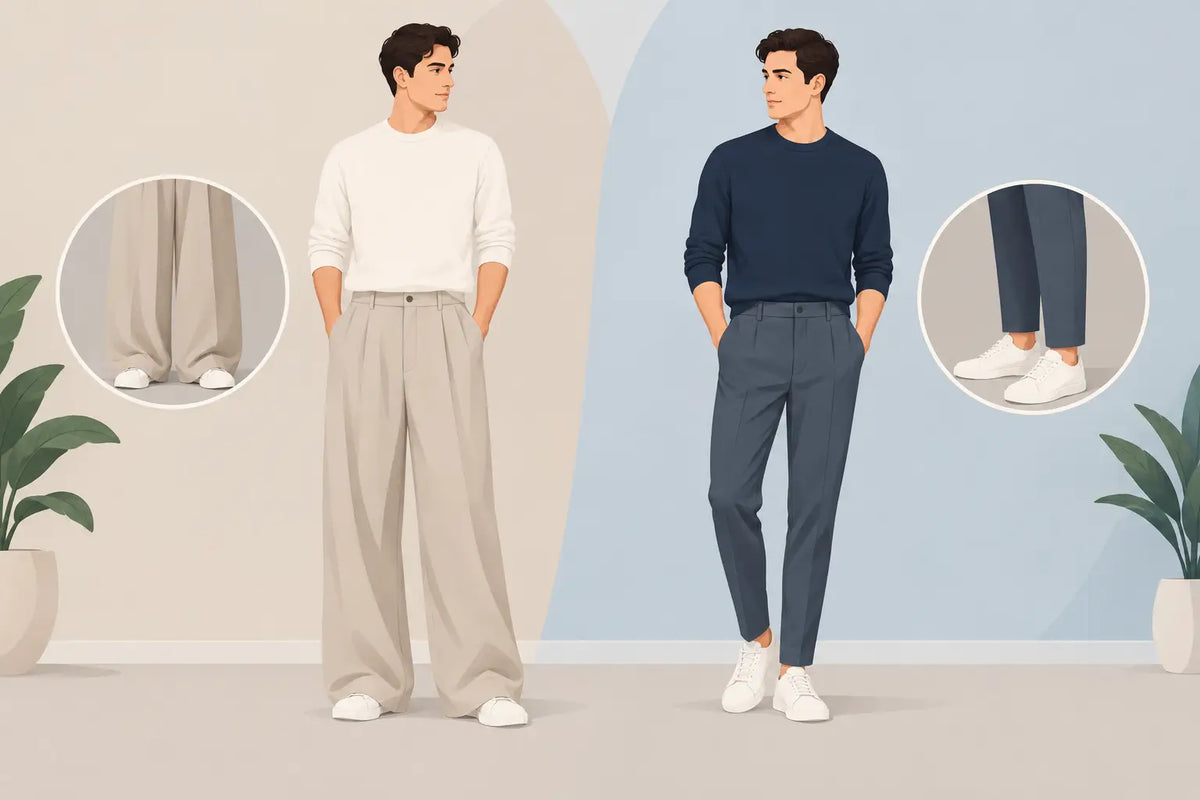
The sharpest workwear in 2026 is relaxed where it counts. Shoulders are still considered, waistlines are still defined when desired, and trousers retain a tailored line. What changes is the feeling. Stiff constructions and overly slim cuts are giving way to movement, drape, and proportion.
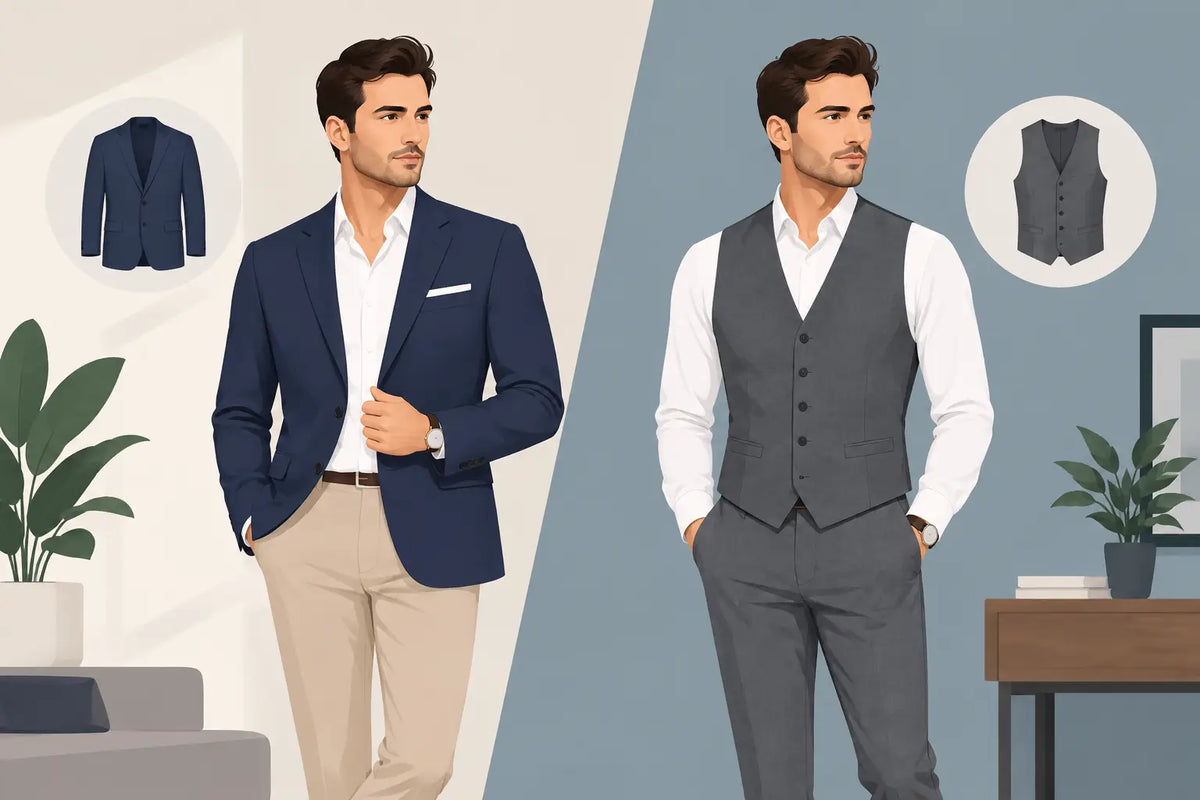
A relaxed blazer is central to this shift. Look for one that sits cleanly at the shoulders and falls with ease through the body. It should layer over a fine knit, sleeveless top, or crisp shirt without pulling. Paired with straight or wide-leg trousers, it creates a confident silhouette that reads professional without feeling formal for formality's sake.
Waistcoats also continue their move from occasional piece to everyday layer. Worn with coordinating trousers, they create the clarity of a suit with less weight. Worn over a shirt or with a long skirt, they offer a more directional alternative to a blazer. This is a useful investment if your workplace is creative, flexible, or warm, though a full matching set may offer more styling range than a waistcoat alone.
For dresses and jumpsuits, the priority is uncomplicated structure. Shirt dresses, column silhouettes, and belted jumpsuits make dressing faster while still leaving room for personal styling. Add a blazer for meetings, then remove it after hours. The best styles do not require a separate outfit plan to feel appropriate.
Matching sets become wardrobe infrastructure
Co-ords are no longer a seasonal shortcut. They are becoming a practical foundation for compact wardrobes. A matching shirt and trouser set provides one complete look, but its value lies in how easily the pieces separate. Wear the shirt with denim or a skirt. Style the trousers with a simple tee, knit, or blazer. One purchase becomes several outfits without looking repetitive.
The same applies to a blazer and trouser pairing. Choose a shape you genuinely enjoy wearing, then make the most of it. The blazer can sharpen a cotton dress or relaxed jeans; the trousers can ground a sleeveless top or oversized shirt. Sustainable dressing is often less about finding a perfect capsule formula and more about noticing which combinations already work in your real life.
Modest Proportions, Modern Lines
Workwear is moving away from the idea that professionalism requires narrow, body-conscious silhouettes. Longer hemlines, fuller sleeves, high necklines, and fluid layers are being styled with precision rather than apology. The result is modest, modern, and far more adaptable.
A longer vest over a column dress, a tunic-length shirt with tailored pants, or a wide-leg trouser with a tucked-in sleeveless top can feel current without relying on exposed skin or exaggerated trend details. The balance comes from proportion: if one piece is oversized, keep another more defined; if trousers are wide, choose a top that creates a clear shoulder line or waist point.
This direction works particularly well for professionals whose wardrobe needs to move between different settings, cultural expectations, and temperatures. It offers coverage without heaviness and polish without unnecessary complication.
Buy for the Life You Actually Live
The most useful response to sustainable workwear trends 2026 is not a complete closet reset. Start with the gaps that create friction in your week. Perhaps you own trousers but no breathable top that makes them feel new. Perhaps your dresses are beautiful but too specific for meetings. Perhaps you need a light outer layer that can replace a jacket in warm weather.
Before adding anything, ask a few direct questions. Can you style it at least three ways? Does the fabric suit your climate and care routine? Will you wear it during an ordinary week, not only on a planned occasion? Does it work with shoes you already own? These questions sound simple, but they separate a lasting purchase from a momentary one.
Price also deserves an honest view. Higher quality can support longer wear, but cost alone does not guarantee it. Construction, fabric weight, fit, and versatility matter more than a premium label. A well-cut cotton shirt worn twice a week may offer more value than a more expensive piece that stays in the closet because it is too delicate, too formal, or too difficult to style.
Care is part of the equation, too. Wash natural fabrics only when needed, use cooler cycles where appropriate, and air-dry when possible to help preserve shape and color. Tailoring minor fit issues can extend the life of a piece dramatically. A small adjustment at the waist, hem, or sleeve can turn an almost-right garment into a dependable favorite.
The New Standard Is Repeatable Style
2026 workwear is not asking you to choose between looking put together and dressing with purpose. It asks for more intention from every piece: breathable fabric, an easy silhouette, thoughtful construction, and enough versatility to be worn again next week.
Build around the clothes that make your mornings simpler. A relaxed linen blazer, a pair of tailored trousers, a crisp cotton shirt, and a matching set can create a wardrobe that feels polished in every setting without chasing every new arrival. Wear what works. Rewear it well. Let that be the statement.