
Sustainable Fashion Trends 2027 That Will Last
A blazer that works for a client meeting, dinner, and a long-haul flight has more value than a statement piece worn once for a photo. That is the real direction behind sustainable fashion trends 2027: fewer disposable purchases, better fabric choices, and clothes designed to stay in rotation.
Fashion will not become less expressive. It will become more selective. The most compelling wardrobes will still have color, shape, and personality, but they will be built around pieces that solve more than one styling need. Think breathable trousers with a clean line, a relaxed shirt that layers through changing seasons, or a matching set that looks considered with almost no effort.
Sustainable Fashion Trends 2027: Less, Better, Longer
The phrase sustainable fashion has often been reduced to a fabric label or a recycled-content percentage. In 2027, the conversation will move closer to how clothes are actually worn. A garment’s impact is connected to material sourcing and production, but also to its lifespan. If it loses its shape after a few washes, feels difficult to style, or only suits one occasion, it is unlikely to be the more responsible choice in practice.
This is why longevity is becoming a design principle, not a vague promise. The best pieces will balance a current silhouette with enough restraint to remain relevant beyond a single season. A softly structured waistcoat, wide-leg tailored pants, a longline linen dress, and a refined cotton popover can all feel contemporary without being tied to a passing microtrend.
For the shopper, this calls for a different question. Rather than asking whether an item is trending, ask where it will go next. Can it be worn to work, on a weekend, and while traveling? Does it layer well? Will it still feel right next spring? A versatile answer is often a smarter purchase than the newest arrival alone.
Natural Fabrics Take a More Considered Role
Linen and cotton will remain central to warm-weather wardrobes, especially for people who value breathability, ease, and a clean finish. In 2027, however, shoppers will look beyond the word natural. They will expect more context around fiber quality, fabric weight, finish, care, and intended use.
Linen brings texture and airflow, making it a natural choice for resort wear, relaxed shirting, summer tailoring, and dresses. Its creased appearance is part of its character, but it is not right for every setting or every preference. Cotton offers a different kind of flexibility, moving easily between crisp workwear shirting, jersey basics, poplin skirts, and soft loungewear. Neither fiber is automatically low-impact in every form. Growing methods, dye processes, manufacturing, transport, and garment durability all matter.
The more useful standard is thoughtful material matching. A lightweight linen blend can make sense for a vacation-ready set. A denser cotton twill may be the better choice for trousers that need to hold their structure through frequent wear. Sustainability becomes more credible when fabric is selected for performance, not simply for a marketing claim.
The return of texture
As wardrobes become more minimal, texture will do more of the visual work. Slubbed linen, crisp poplin, ribbed cotton, and subtle woven surfaces make simple silhouettes feel intentional. This allows an outfit to stay understated without looking flat.
Texture also supports repeat wear. A neutral linen shirt can look relaxed with shorts, polished with tailored pants, and easy over swimwear. The styling changes while the item remains useful. That is a stronger form of versatility than buying a separate outfit for every plan.
Tailoring Will Get Softer, Not Sloppier
Workwear is moving away from rigid formality, but the answer is not to abandon structure. In 2027, sustainable wardrobes will favor softer tailoring: blazers with room to layer, trousers with an easy drape, and waistcoats that can be worn alone or as part of a set.
This trend has practical value. Comfortable tailoring is more likely to be worn repeatedly, particularly by professionals whose schedules move between office hours, events, and personal time. A well-cut blazer can sharpen a simple tee and jeans just as easily as it completes coordinated pants. A matching vest and trouser set can be separated to create several distinct looks.
Fit remains the deciding factor. Oversized can feel modern, but it should still look deliberate at the shoulder and through the sleeve. Relaxed pants need enough length and structure to avoid reading as sleepwear. Before buying, consider whether the proportion works with shoes you already own and layers you wear often. A garment that requires a whole new supporting wardrobe is rarely the most versatile one.
Matching Sets Become a Wardrobe Strategy
Matching sets are not disappearing. They are becoming more useful. The appeal is immediate: getting dressed is simpler when the top and bottom already work together. The longer-term benefit comes from separates that can stand on their own.
In 2027, the strongest sets will avoid overly specific prints and fragile novelty details. A natural-fiber shirt and relaxed pant in a grounded neutral can be worn together for a clean, elongated look, then split apart for weekdays and weekends. Pair the shirt with denim or a skirt. Wear the pants with a fitted knit, tank, or crisp button-down.
This is where considered color matters. Black, ivory, stone, navy, chocolate, and muted olive continue to make sense because they create useful combinations without demanding exact matches. Color is still welcome, especially in resort dressing, but a good palette should invite repetition rather than limit it.
Repair, Care, and Resale Become Part of the Purchase
The most sustainable garment is not necessarily the oldest garment in a closet. It is the one that is maintained, loved, and worn. In 2027, better care habits will become part of fashion literacy, particularly as shoppers invest more intentionally in fewer pieces.
Washing less often when appropriate, using cooler cycles, air-drying, and storing garments properly can preserve shape and color. Linen benefits from being handled with a lighter touch, while cotton basics often last longer when high heat is avoided. Small repairs, such as replacing a button or reinforcing a loose seam, are worth making when the fit and fabric still serve you.
Resale will also continue to influence what people buy new. Pieces with classic cuts, quality construction, and recognizable utility tend to have a better chance of being passed on. This does not mean every purchase should be treated as an investment. Most clothes are bought to be worn, not traded. But considering a garment’s next life encourages a useful level of restraint.
The End of Sustainability as an Aesthetic
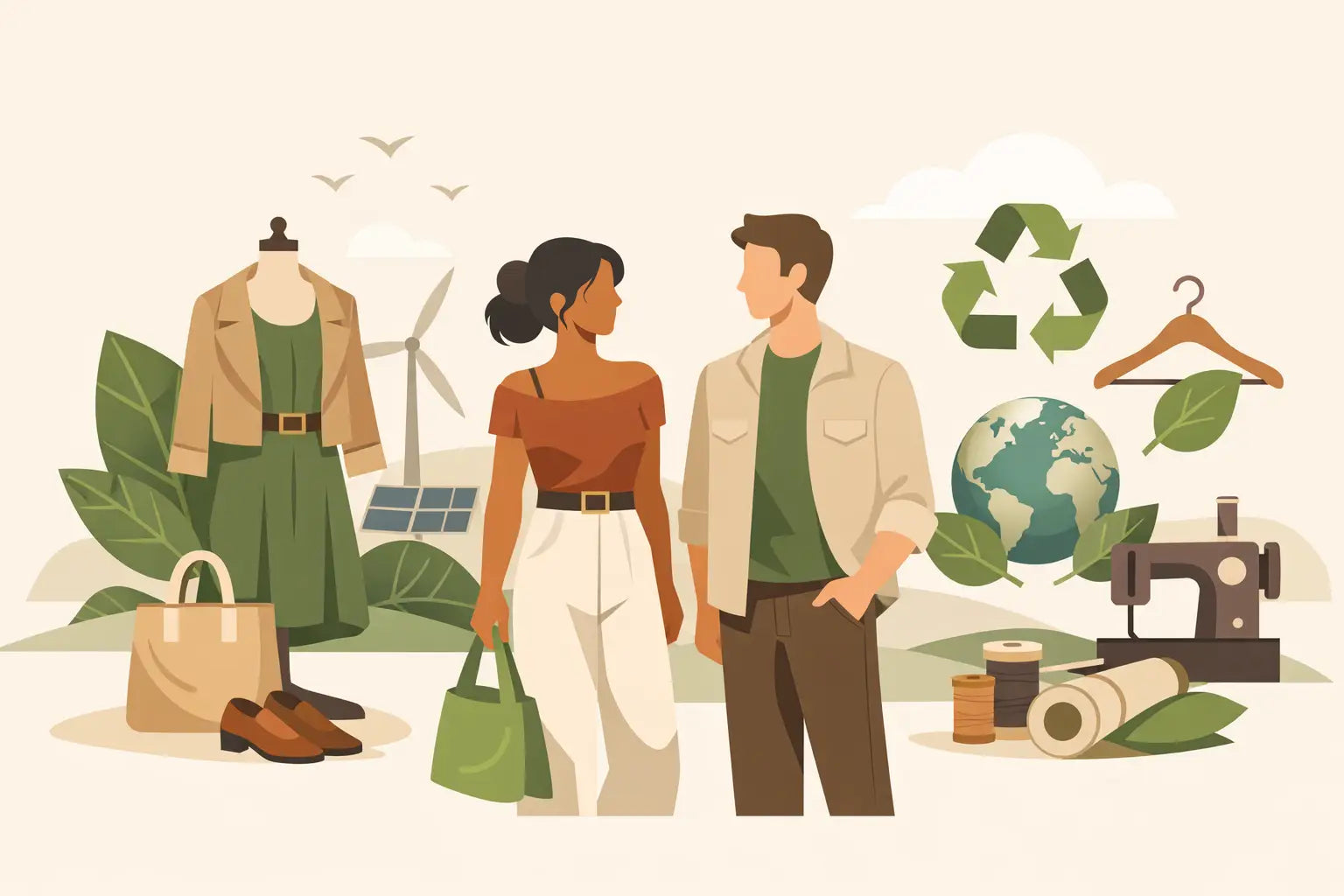
There is a difference between looking sustainable and making more considered choices. Earth tones, visible texture, and natural fibers can be beautiful, but they do not tell the whole story. A responsible wardrobe can be tailored, colorful, modest, minimal, relaxed, or fashion-forward. It is defined more by use than by a single visual code.
That shift makes room for personal style. A person who wears monochrome tailoring every week should build around that. Someone who lives in airy dresses and flat sandals needs a different wardrobe architecture. The goal is not to copy a universal capsule wardrobe. It is to create one that reflects real routines, climate, comfort needs, and taste.
For ZAVI, consciously designed clothing begins with that same idea: plant-based and natural fabrics should feel elevated enough to wear often, not precious enough to save for later.
The most relevant trend for 2027 is simple: choose the piece you will reach for again next week. Wear it with intention, care for it well, and let a smaller wardrobe make a stronger impression.