

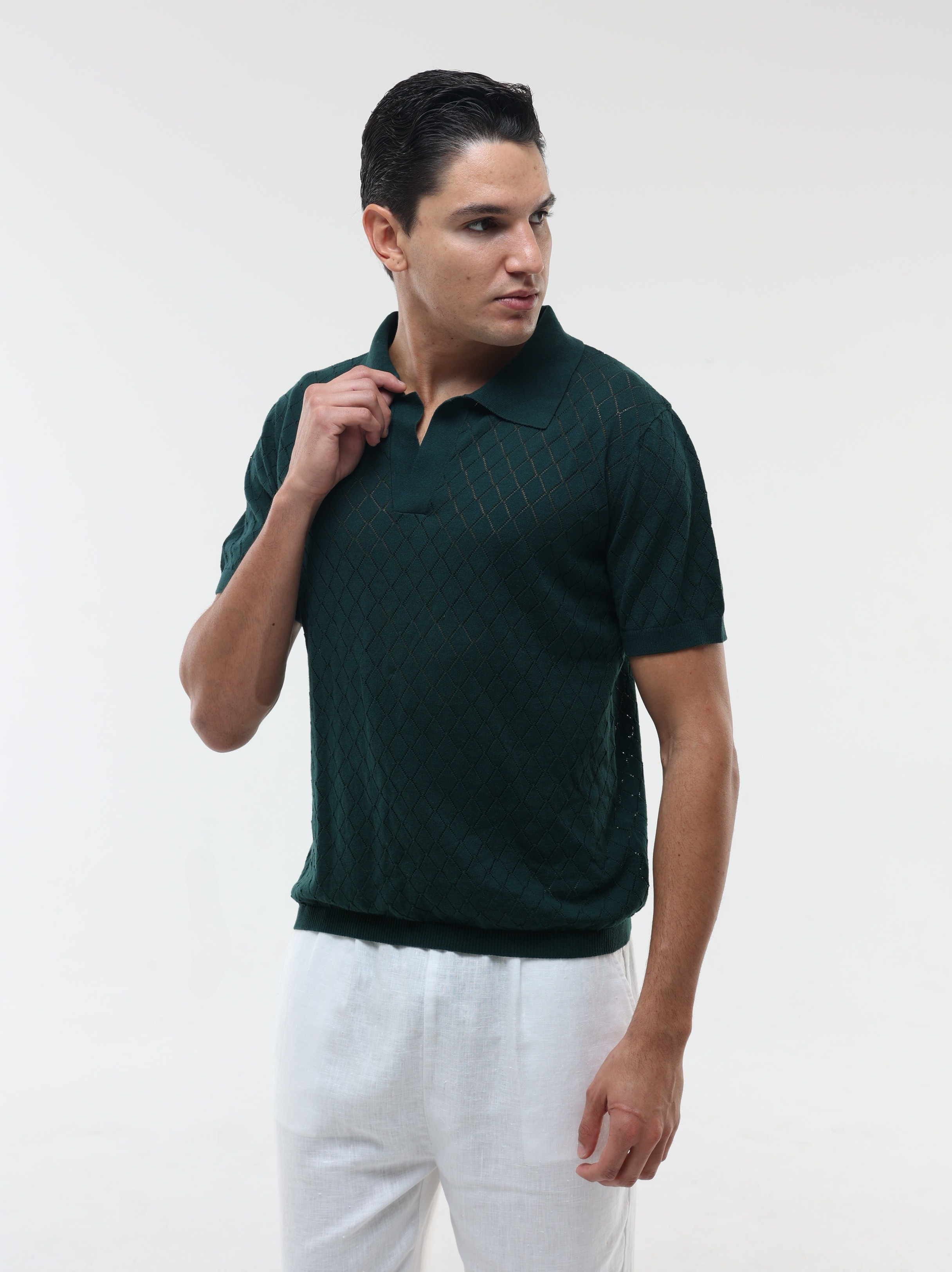

How to Layer Resort Outfits Without Overpacking
A resort wardrobe has to work harder than it looks. It needs to take you from an air-conditioned flight to a bright terrace, from a poolside lunch to dinner after sunset, without filling an entire suitcase. Knowing how to layer resort outfits is what makes a small, considered edit feel polished in every setting.
The goal is not to add more clothing. It is to choose light, breathable pieces that create different proportions and levels of coverage when worn together. Start with natural fabrics, keep your color palette focused, and make every layer useful on its own.
Start With Breathable Base Layers
The base layer sets the tone for the whole outfit. In warm climates, choose a fitted or easy-cut piece in cotton or linen that feels comfortable against the skin. A clean tank, short-sleeve top, simple tee, slip-style dress, or lightweight shirt gives you a foundation that will not feel heavy once the temperature rises.
Fit matters here. A base layer should be close enough to the body that it sits neatly under an overshirt, blazer, or open shirt, but it does not need to be restrictive. A soft cotton tank under relaxed linen tailoring, for example, creates a defined silhouette while keeping the outfit easy.
For resort dressing, neutral base layers are especially useful. White, ivory, black, sand, and muted olive work with nearly every outer layer, which means you can repeat them without looking like you are wearing the same outfit. Repetition is part of a smart travel wardrobe. Styling is what changes the result.
Choose One Light Layer With Structure
A resort layer should offer shape without trapping heat. Think of an open linen shirt, an unlined blazer, a waistcoat, or a lightweight cotton overshirt. These pieces make an outfit feel finished for a restaurant, gallery, or hotel lobby, then come off easily when the day gets warmer.
A relaxed linen shirt is often the most versatile option. Wear it open over a tank and wide-leg trousers for the daytime, button it over a swimsuit for the walk back from the beach, or tuck it into matching linen pants for dinner. It works because it is breathable, modest, and naturally relaxed rather than overly casual.
For evenings, an unlined blazer brings a sharper finish to a simple base. The trade-off is that blazers can feel too formal for a beach town if the fabric is dense or the cut is overly tailored. Choose soft construction and natural texture instead. Linen or cotton in a relaxed fit has enough presence for dinner while still feeling right near the water.
A waistcoat is another strong option when you want definition without a full jacket. Layer it over a crisp shirt, fitted tee, or sleeveless dress. It creates a clean vertical line and packs more easily than a blazer, though it provides less warmth when the evening breeze arrives.
Use the Three-Layer Rule, Loosely
Most resort outfits only need three elements: a breathable base, one layer with structure, and a light finishing piece if conditions call for it. That final piece might be a scarf, a fine-knit cardigan, or a jacket for the flight.
This is not a rule to force into every outfit. At midday, two layers are usually enough. The third layer earns its place during travel, cool indoor spaces, early mornings, or late dinners. If a piece only works in one specific scenario, it may not deserve suitcase space.
Build Outfits Around Matching Sets
Matching sets make layering simpler because the color and fabric are already resolved. A linen shirt and trouser set can be worn together for an intentional head-to-toe look, then separated across several outfits. Pair the trousers with a cotton tank and open shirt. Wear the shirt with shorts or over a dress. The result feels coordinated without becoming repetitive.
This is where a restrained palette helps. Select two or three core shades, then add one accent if you want contrast. Cream, tobacco, black, navy, and soft stone are easy foundations for resort wear. A washed blue shirt, a striped top, or a deep green accessory can bring personality without making styling complicated.
A monochrome look also makes layering feel more elevated. A white tank, ivory linen shirt, and cream trousers create variation through texture rather than color. It is simple, but never flat when the fabrics have movement and a natural finish.
Layer Dresses and Jumpsuits for More Wear
Dresses and jumpsuits are efficient packing pieces, but they can feel like single-use outfits without the right layers. Give them range with shirts, waistcoats, and light jackets.
An open cotton shirt over a sleeveless dress adds coverage for breakfast or sightseeing while keeping the outfit airy. Tie the shirt at the waist if you want more shape, or leave it loose for a relaxed line. A waistcoat over a column dress brings definition at the torso and makes the look suitable for an evening reservation.
Jumpsuits benefit from the same approach. Add a relaxed blazer for dinner, or wear an overshirt open over the top for travel. Keep the added layer shorter or more structured if the jumpsuit is wide through the leg. Too much volume on top and bottom can hide the shape of the outfit.
There is one practical consideration: layers over a jumpsuit are easy, but layers underneath can be less convenient. A simple tank or bandeau may work, but bulky shirts and complicated belts can make the piece harder to wear throughout the day. Choose ease over unnecessary styling tricks.
Think About Proportion, Not Just Coverage
Good layering is less about piling on pieces and more about balancing lengths and volume. If your trousers are wide and fluid, choose a more fitted tank or tuck in your shirt. If you are wearing tailored shorts, a relaxed overshirt creates an easy contrast. If your dress is slim, a longer open shirt can add movement.
A useful resort formula is one relaxed piece, one refined piece, and one simple piece. For example, wear fluid linen pants with a fitted cotton top and a crisp open shirt. Or pair tailored shorts with a relaxed button-down and clean leather sandals. The mix keeps the look modern and unfussy.
Be mindful of long layers in humid conditions. A floor-length duster may look striking, but it can feel impractical around sand, stairs, and high heat. A hip-length overshirt or lightweight blazer is often more useful. Resort style should feel considered, not precious.
Make Travel Layers Part of the Wardrobe
The airport is where most resort wardrobes fail. The clothing that feels right at your destination may not be comfortable in transit, especially when cabins are cold and luggage space is limited.
Wear your heaviest layer on the plane. This could be a cotton blazer, lightweight knit, or relaxed jacket that can later be styled with trousers, dresses, or shorts. Underneath, choose a breathable tee or tank and comfortable pants with a clean shape. You will arrive looking composed without carrying an extra bulky item.
A large cotton or linen scarf can also be useful, especially on flights or in overly air-conditioned restaurants. It is less structured than a jacket and takes up very little room. Choose one in a neutral shade so it works with the rest of your edit.
Keep Fabric Choices Honest
Resort layering only works when fabric is right for the climate. Linen is ideal for shirts, trousers, dresses, and relaxed tailoring because it allows air to move and develops a lived-in texture that suits travel. Cotton is a reliable choice for base layers, tees, poplin shirts, and light knits.
A little wrinkling is part of linen's character. Trying to keep it perfectly pressed throughout a trip usually leads to overpacking and overthinking. Choose silhouettes that look good with natural texture, then let the fabric do what it is meant to do.
Synthetic performance fabrics can have a place for swim or active plans, but they are not always the most comfortable choice for long, hot days. When your wardrobe is built primarily from plant-based and natural fabrics, the layers feel lighter, breathe better, and remain relevant well beyond one vacation.
A Resort Packing Edit That Layers Easily
Instead of packing complete outfits for every day, build a small group of pieces that can shift across occasions. A thoughtful edit might include:
- Two to three cotton tanks or tees in neutral shades
- One linen shirt and one lightweight overshirt or open shirt
- A matching linen set that can be worn together or separately
- One relaxed dress or jumpsuit for day-to-night plans
- Tailored shorts, easy trousers, and one light blazer or waistcoat
- A lightweight knit or scarf for flights and cooler evenings
Pack fewer pieces with better combinations. A breathable shirt worn three ways will serve you better than three statement tops that only work once. Let every layer earn its place, then leave room in your suitcase for the ease that resort dressing is meant to bring.