

A Guide to Dressing for Humidity Without Compromise
Humidity changes the rules before you have even left the house. A sharp shirt can feel restrictive by noon. A carefully styled outfit can lose its shape on the walk from the car to the office. This guide to dressing for humidity is built around a simpler idea: choose pieces that let air move, sit lightly on the body, and still look considered from morning through evening.
The goal is not to dress as little as possible. It is to dress with intention. Natural fibers, relaxed proportions, and thoughtful color choices create a wardrobe that works harder when the forecast does not.
Start With Fabrics That Can Breathe
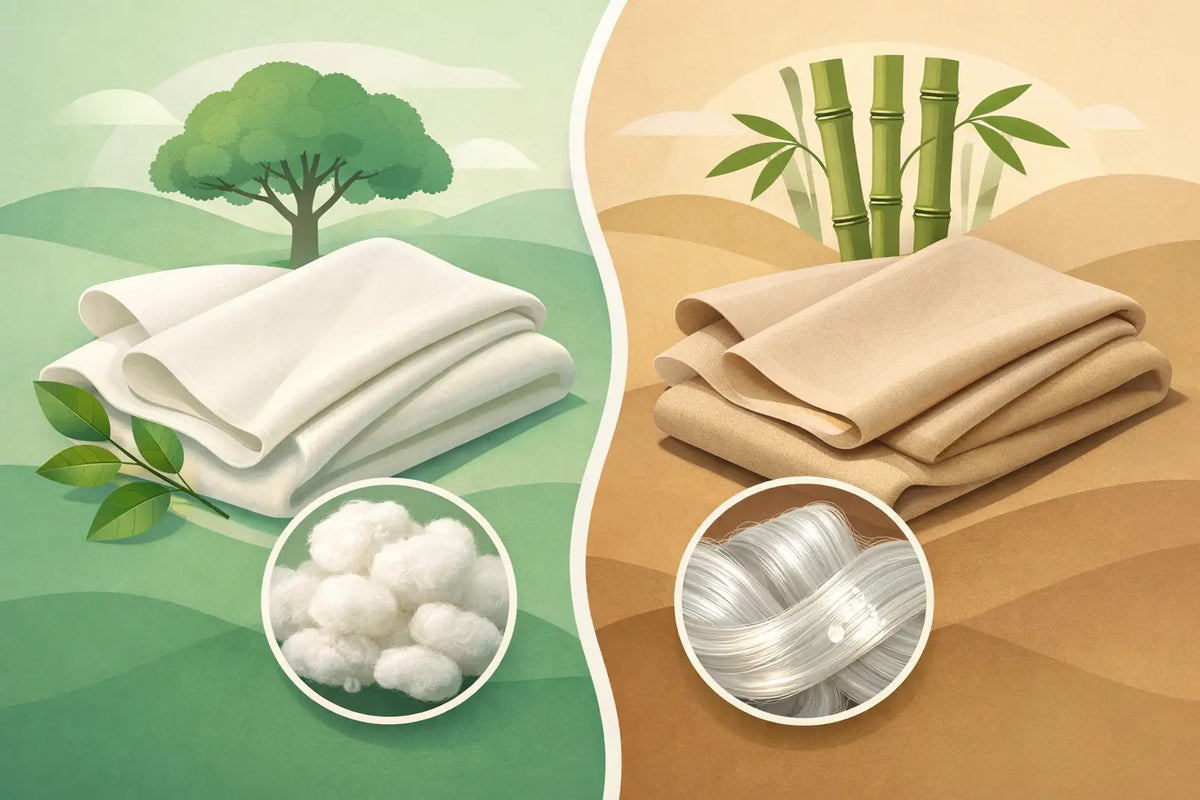
Fabric is the first decision, not the finishing touch. In humid conditions, a garment’s fiber content and construction affect how comfortable it feels more than almost anything else. Prioritize plant-based and natural fabrics that are breathable, soft against the skin, and suited to repeat wear.
Linen is a warm-weather essential for good reason. Its open, airy structure helps heat escape, and its natural texture gives even the simplest silhouette depth. Yes, linen wrinkles. In humidity, that is part of its appeal: a relaxed crease reads more polished than fabric that clings or looks artificially pressed by the end of the day. Choose linen shirts, wide-leg trousers, easy dresses, and matching sets in cuts that allow the fabric to move.
Cotton is equally useful, especially in lighter weights. A crisp cotton poplin shirt offers structure without feeling heavy, while soft cotton jersey makes an easy base layer for casual days. Not every cotton fabric is ideal, though. Dense cotton twill, heavy denim, and stiff canvas can hold heat close to the body. Check the weight as well as the fiber.
When building a humidity-ready wardrobe, look for these qualities:
- Lightweight linen and linen blends for shirts, dresses, trousers, and relaxed tailoring
- Cotton poplin, voile, or jersey for breathable everyday layers
- Looser weaves and unlined construction that encourage airflow
- Natural textures that retain visual interest without extra styling
A Guide to Dressing for Humidity Starts With Shape
Humidity makes close-fitting clothing feel closer. The answer is not necessarily oversized dressing, but considered ease. A silhouette should skim rather than cling, with enough space at the waist, underarms, and legs for air to circulate.
For women, an A-line midi dress, a column dress with side slits, or a relaxed shirt-and-trouser set can feel refined without requiring much adjustment throughout the day. Sleeveless styles work well when the setting allows, while a short-sleeve button-down or an airy long sleeve offers more coverage without the weight of a jacket.
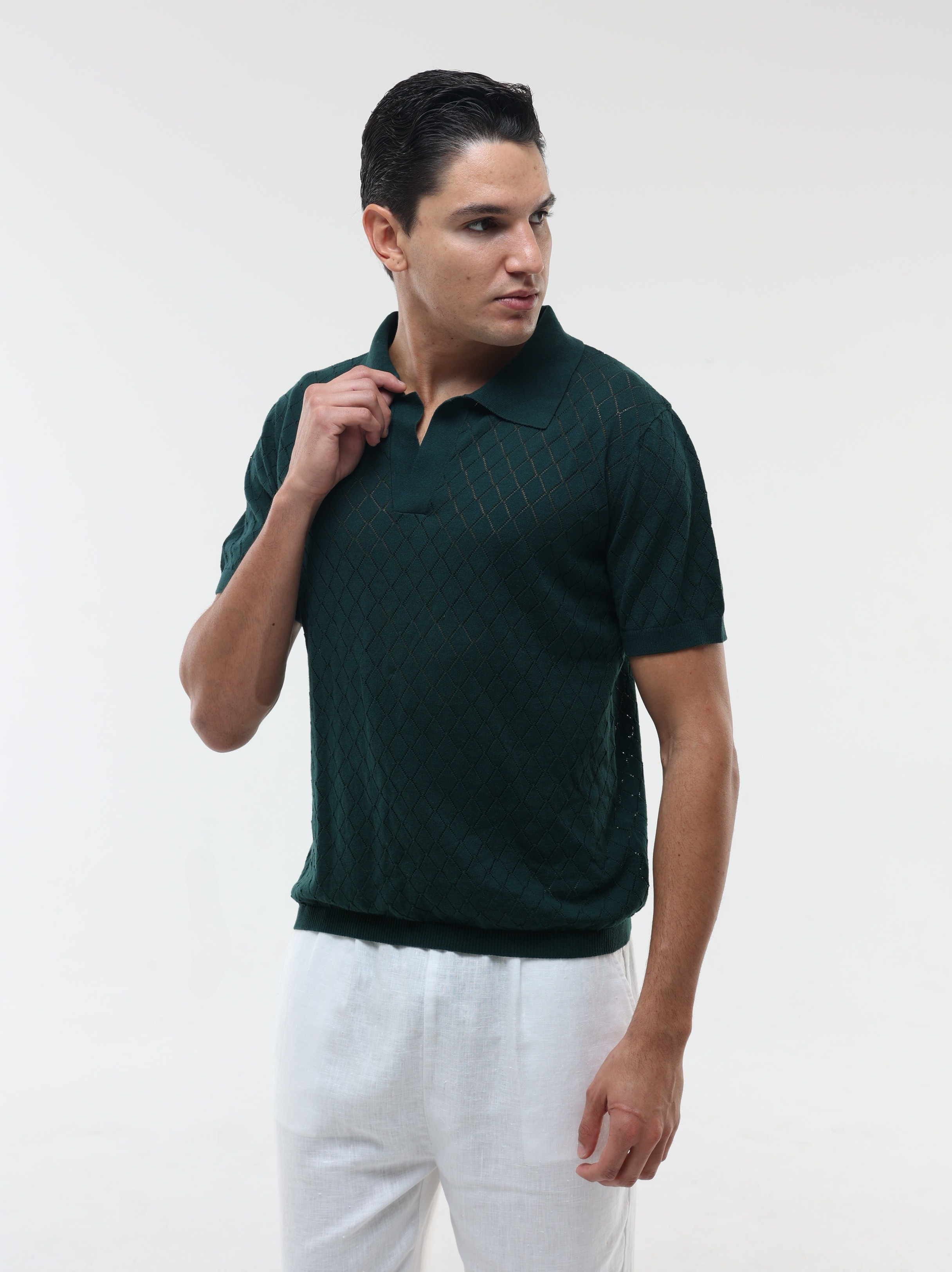
For men, a relaxed linen shirt with straight-leg trousers is a reliable starting point. A knit polo in breathable cotton provides a cleaner alternative to a standard tee, especially for lunches, travel, or less formal offices. The key is proportion: a slightly roomier shirt looks intentional when paired with trousers that fall cleanly rather than pooling at the shoe.
Avoid treating every loose garment as a solution. Too much volume in a heavy fabric can feel warmer than a closer cut in lightweight linen. Balance is what makes an outfit look modern. Try a relaxed shirt with a more defined waistband, or wide-leg trousers with a simple fitted tank or tee.
Build Light Layers for Real Life
Air-conditioned offices, restaurants, and flights make layering necessary, even on the hottest days. The usual mistake is carrying a heavy blazer or cardigan that is only comfortable indoors. Instead, choose one light outer layer that earns its place all day.
An unlined linen blazer gives tailoring its warm-weather version. It brings structure to a sleeveless top and trousers, then folds easily over an arm when you step outside. A lightweight overshirt serves a similar purpose in casual settings. For a more directional approach, a linen waistcoat can create the clean lines of tailoring without full sleeves.
Color matters here. Pale neutrals such as ivory, sand, soft stone, and light olive reflect more sun than deep shades and make repeat dressing feel effortless. They also pair naturally across a compact wardrobe. Black is not off limits, particularly for evening or indoor plans, but it tends to feel less forgiving in direct sun. If you prefer darker colors, keep the fabric airy and the silhouette uncomplicated.
Keep Workwear Polished, Not Overbuilt
Dressing professionally in humidity is less about adding formal layers and more about choosing pieces with built-in presence. A matching linen set, a tailored jumpsuit, or a poplin shirt with relaxed trousers can read as intentional without relying on a full suit.
For offices with a conservative dress code, start with coverage and adjust the fabric. A long-sleeve linen shirt is often cooler than a synthetic short-sleeve blouse because the natural fiber breathes and the fit is less restrictive. Wide-leg trousers offer an elevated alternative to thick, narrow pants. A midi dress with a defined shoulder or collar can feel work-ready on its own, then take a lightweight blazer for meetings.
Pay attention to opacity. White and very pale linen can become more transparent in bright sunlight or when damp. Look for a quality weight, a partial lining in natural fabric where useful, or a nude-toned base layer that disappears under the garment. This is one place where planning is more elegant than improvising.
Choose Shoes and Accessories That Do Less
In humid weather, accessories should reduce friction, not create it. Leather sandals, breathable loafers, and minimal sneakers are more practical than shoes with heavy linings or rigid synthetic uppers. Give shoes time to air out between wears, especially after long commutes or travel days.
A structured leather tote may look right for work, but a lighter woven bag can make a resort or weekend outfit feel less weighed down. Keep jewelry edited. Small hoops, a watch, or one sculptural ring is often enough when skin is warm and the outfit already has texture.
Hair and makeup follow the same principle. A smooth low bun, a simple clip, or naturally defined texture is more realistic than a style that requires constant correction. Choose skin-focused makeup with a light finish rather than layers that can feel heavy in the heat. The most polished look is one you do not need to monitor all day.
Plan Outfits Around Your Day, Not the Temperature Alone
The best outfit for a humid Saturday afternoon is not always the right one for a day of client meetings, a long flight, or dinner outdoors. Consider your route, how much time you will spend in direct sun, and whether your destination has strong air conditioning.
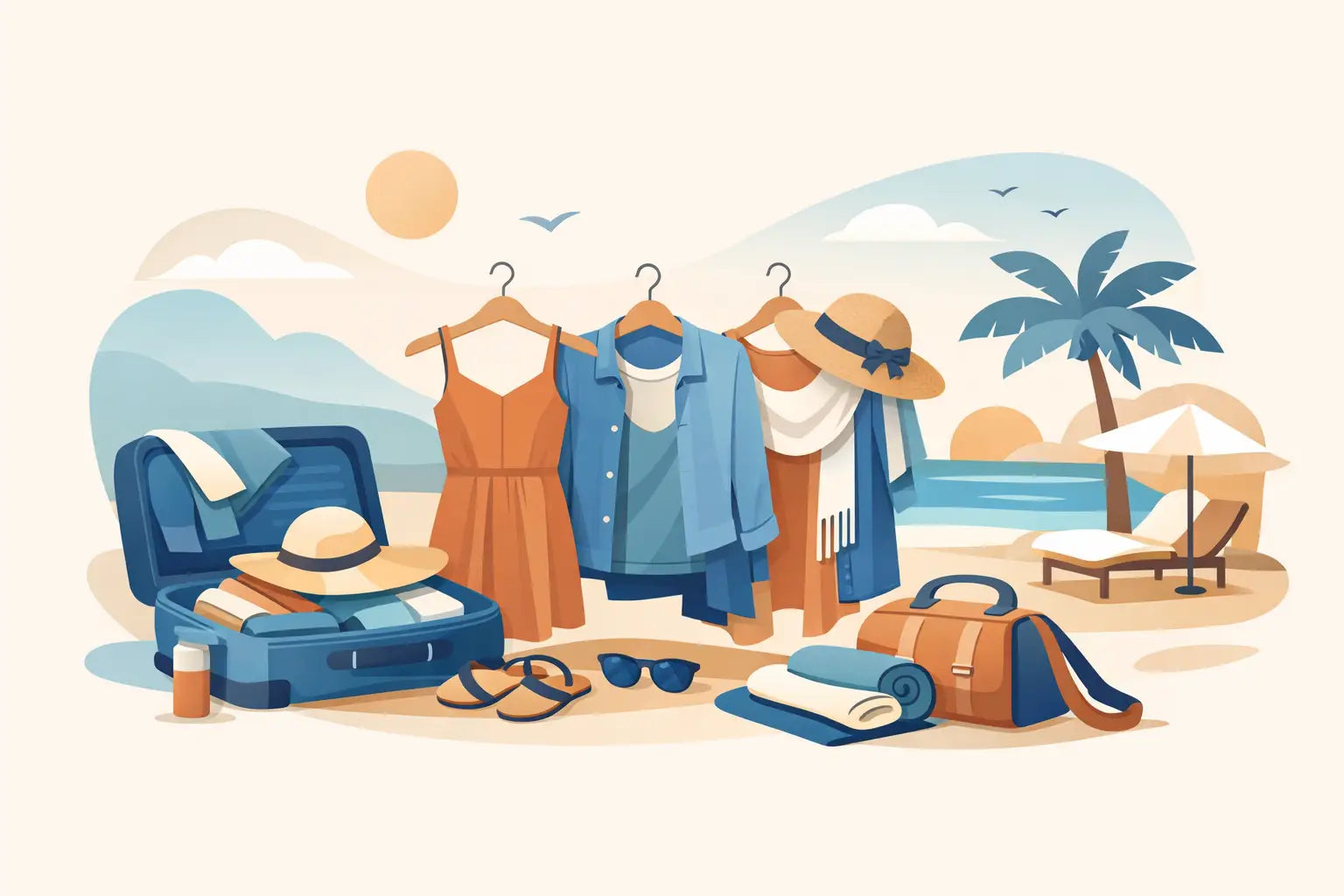
For travel, matching sets make sense because they look complete while allowing movement. Choose a breathable tee or tank underneath so you can remove the top layer easily. For a city day, a cotton poplin shirt dress or linen trousers with a sleeveless top gives you options without overpacking. For an evening event, a fluid linen-blend dress or a crisp shirt with tailored trousers feels elevated while remaining light.
This is also where a restrained color palette helps. When your core pieces work together, one extra shirt or overshirt can change an outfit without adding bulk to your bag. A smaller wardrobe built around natural fabrics often performs better than a suitcase full of trend pieces made for a single photograph.
Care for the Clothes That Carry You Through Heat
Humidity asks more of garments, so care affects longevity. Let pieces air out before putting them back in the closet. Wash natural fabrics according to their care instructions, and avoid over-drying, which can make fibers feel rough or cause unnecessary shrinkage. A quick steam can refresh linen while preserving its relaxed character.
Rotate favorite shirts, trousers, and dresses rather than wearing the same piece on consecutive hot days. This gives fabric time to recover and keeps your wardrobe feeling fresher. It is a quieter form of sustainability: buy with purpose, wear often, and care well.
Dress for the heat you are actually living in. Choose breathable fabric, leave room to move, and let clean, uncomplicated pieces do the work. When comfort is designed into the outfit, looking composed becomes much easier.