

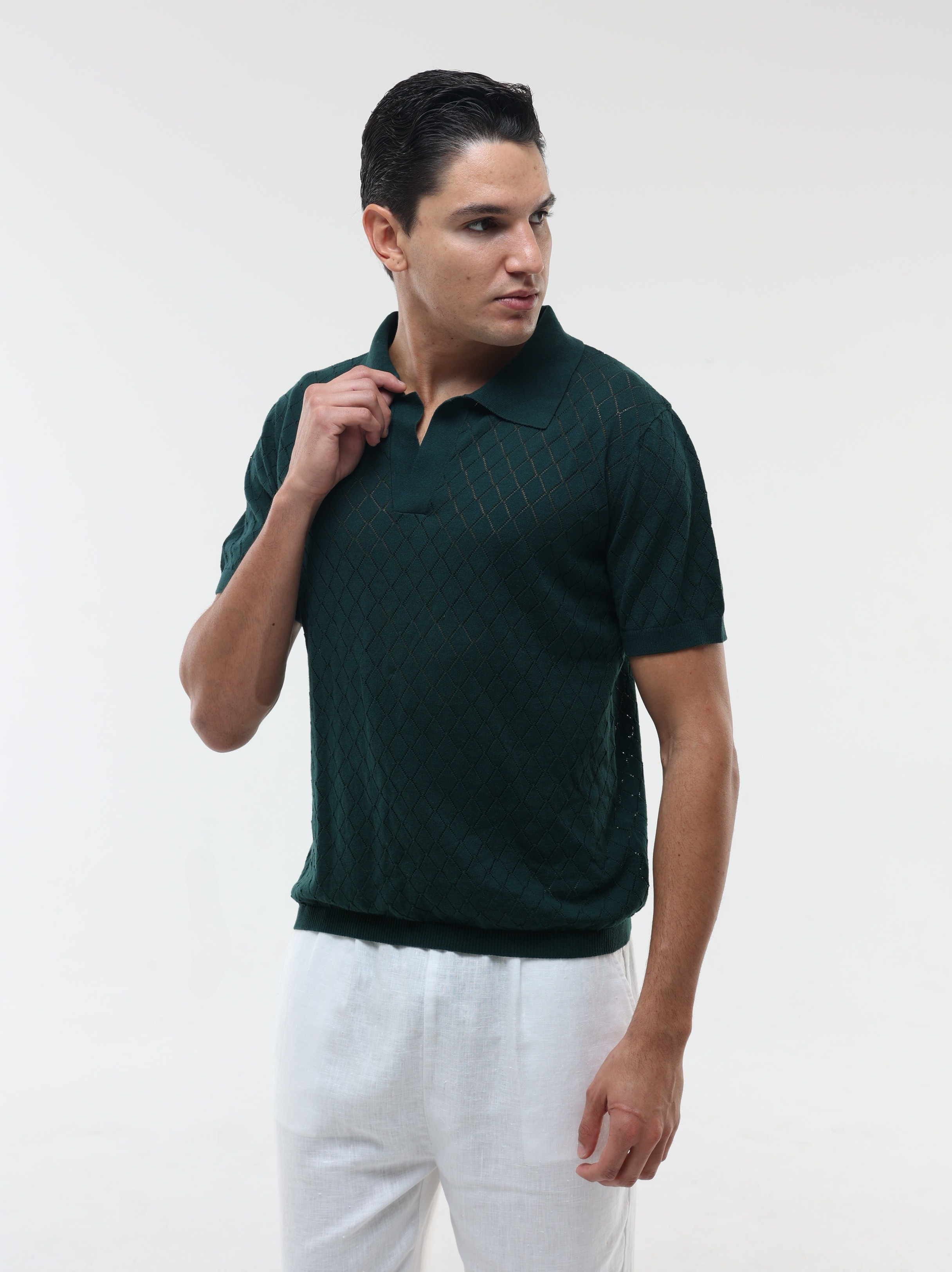

أساسيات راقية تدوم طويلاً للمهنيين
أسهل طريقة لاكتشاف خزانة ملابس عملية ليست اتجاهًا صاخبًا. إنها القميص الذي لا يزال يبدو أنيقًا في الساعة 8 صباحًا و 8 مساءً. إنها البنطلون الذي يتنقل عبر الاجتماعات والرحلات الجوية والعشاء والارتداء المتكرر دون الشعور بالتعب. هذه هي القيمة الحقيقية للأساسيات الراقية للمهنيين - قطع ذات هيكل كافٍ لتبدو مصقولة وسهولة كافية للعيش فيها.
بالنسبة لمعظم الناس، فإن ارتداء الملابس للعمل لا يتعلق بجمع المزيد. بل يتعلق بتقليل الاحتكاك. تريد ملابس تبدو مدروسة، وتعمل في مختلف الأماكن، ولا تتطلب جهدًا دائمًا في التنسيق. الأساسيات الصحيحة تفعل ذلك بالضبط. إنها تحافظ على الخط الفاصل بين البساطة والتميز.
ماذا تعني الأساسيات الراقية للمهنيين حقًا
الأساسي ليس عاديًا لمجرد أنه بسيط. في خزانة الملابس المهنية، غالبًا ما تكون البساطة هي الهدف. الخطوط النظيفة، والنسيج الأفضل، والملاءمة القوية تمنح القطعة طول العمر. وما يجعلها راقية هو النية وراءها.
قد يعني ذلك قميصًا قطنيًا بنسيج متماسك بدلاً من لمسة نهائية رقيقة. قد يكون بنطلونًا كتانيًا بقصة مصقولة بما يكفي للمكتب، أو سترة يمكن ارتداؤها بسهولة فوق قميص بدون أكمام أو قميص بأزرار أو قطعة محبوكة. التصميم لا يحتاج إلى تفاصيل زائدة. إنه يحتاج إلى هدف.
يميل المهنيون إلى ارتداء الملابس في ظروف حقيقية، لا ظروف متحكم فيها. التنقلات الطويلة، والطقس الدافئ، والمكاتب شديدة التبريد، والجداول الزمنية المتتالية، والخطط في اللحظة الأخيرة، كلها تغير ما يرتديه الشخص بالفعل. الأساسيات الراقية تجيب على هذه الحقائق بالراحة والتهوية والتنسيق المتكرر.
لماذا تبدأ أفضل ملابس العمل بقطع أقل وأفضل
هناك سبب يجعل بعض العناصر تصبح أساسًا في خزانة الملابس. إنها تزيل تعب اتخاذ القرار. عندما يكون القص صحيحًا والنسيج مريحًا، فإنك تختار نفس القطع مرارًا وتكرارًا دون أن تبدو الإطلالة متكررة.
وهنا يصبح تفكير الكبسولة عمليًا بدلاً من أن يكون مجرد طموح. خزانة الملابس المدمجة تعمل عندما يمكن لكل عنصر أن يتصل بالعديد من العناصر الأخرى. يجب أن تعمل السترة مع البنطلون، والدنيم، والصدرية المطابقة. يجب أن يتناسب الجزء العلوي بلا أكمام تحت البدلات الرسمية، وأن يتناسب أيضًا مع السراويل المريحة في عطلات نهاية الأسبوع. يجب أن تتعامل الفستان القميص مع ساعات العمل مع أحذية مسطحة وينتقل بسهولة إلى المساء مع إكسسوارات قوية.
شراء عدد أقل من القطع لا يعني دائمًا إنفاقًا أقل مقدمًا. المواد الأفضل والبناء الأنظف قد يكلفان أكثر. المقايضة هي تكرار الارتداء. إذا اكتسبت قطعة ملابس مكانًا في أسبوعك بدلاً من قائمة أمنياتك، فإنها تبدأ في تبرير نفسها بسرعة.
الأقمشة التي تجعل الأساسيات تبدو راقية
عادة ما يكون القماش هو الفرق بين القطعة التي تبدو جيدة في الصور والقطعة التي تؤدي أداءً فعليًا. بالنسبة للمهنيين، خاصة في المناخات الدافئة أو الروتينات كثيرة السفر، هذا الأمر أهم من تفاصيل الموضة.
يبقى القطن معيارًا لسبب وجيه. إنه قابل للتنفس، ومألوف، وسهل التنسيق عبر المواسم. لكن ليست كل أساسيات القطن تبدو راقية. الوزن والنسيج والتشطيب يغيرون كل شيء. قطعة علوية من القطن المتين تحتفظ بشكلها بشكل أفضل تحت سترة. قميص قطني أكثر نعومة يمكن أن يخلق صورة ظلية أكثر استرخاءً لا تزال تبدو مصقولة عند إدخالها بدقة في بنطلون مفصل.
الكتان يجلب نوعًا مختلفًا من السلطة. يبدو مسترخيًا، ولكن في القصة الصحيحة يبدو مقصودًا بعمق. سراويل الكتان والقمصان والأطقم المطابقة تناسب المهنيين الذين يريدون السهولة دون فقدان الهيكل البصري. نعم، يتجعد الكتان. وهذا جزء من شخصيته. المفتاح هو اختيار الأشكال حيث يضيف النسيج الطبيعي بعدًا بدلاً من أن يبدو غير مبال.
تدعم الأقمشة النباتية والأقمشة الطبيعية أيضًا علاقة أطول بالملابس. إنها تشعر بالراحة على البشرة، خاصة للارتداء طوال اليوم، وغالبًا ما تتوافق مع نهج أكثر تفكيرًا للتسوق. بالنسبة لخزانة الملابس الحديثة، تعمل الاستدامة بشكل أفضل عندما تكون جزءًا من معيار المنتج، وليس مقدمة كميزة منفصلة.
التناسب أهم من الموضة
يمكن أن تبدو خزانة الملابس المليئة بالأساسيات باهتة إذا كان التناسب غير صحيح. وهنا يجب أن يكون المهنيون انتقائيين. الفرق بين العادي والراقي غالبًا ما يكون نصف بوصة في الكتف، أو ارتفاع أنظف في البنطلون، أو النقطة الدقيقة التي تصل إليها الحاشية.
يجب أن يخلق التفصيل شكلًا بدون صلابة. يمكن أن تكون السترة مريحة ولا تزال تبدو أنيقة إذا كان الكتف يجلس بشكل صحيح وطول الكم متوازنًا. يجب أن تكون السراويل فضفاضة وليست ضيقة. يجب أن توفر القمصان مساحة كافية للحركة دون أن تنهار إلى قماش زائد.
يعتمد الأمر أيضًا على كيفية استخدامك لخزانة ملابسك. إذا كان مكتبك رسميًا، فقد تميل إلى السراويل المستقيمة، والقمصان المنظمة، والسترات الأكثر حدة. إذا كان يومك يتنقل بين العمل الإبداعي والاجتماعات والمهمات، فقد تكون البدلات الأكثر نعومة والأطقم المطابقة أكثر منطقية. الراقي لا يعني المبالغة في الأناقة. بل يعني الأناقة المناسبة للإعداد.
القطع التي تقوم بأكبر قدر من العمل
تتفوق بعض الفئات باستمرار على غيرها في خزانة الملابس المهنية لأنها تلبي احتياجات متعددة في نفس الوقت.
الأول هو الملابس الخارجية المفصلة. سترة بقصة جيدة تغير كل شيء تقريبًا يرتدى تحتها. إنها تشحذ قميصًا بسيطًا، وتضيف هيكلًا لقطعة محبوكة، وتوازن السراويل ذات الأرجل الواسعة أو التنانير الفضفاضة. في خزائن الملابس البسيطة، تحمل هذه القطعة القابلة للطبقات وزنًا حقيقيًا.
الثاني هو القميص المصقول. القمصان بأزرار، والقمصان بدون ياقة، وأنماط البلوفر النظيفة كلها توفر تنوعًا. يمكن ارتداؤها مفتوحة فوق قطعة علوية ضيقة، أو مدسوسة في بنطلون، أو مقترنة مع قطع سفلية متطابقة، يمكنها الانتقال من المكتب إلى العشاء بجهد قليل جدًا.
الثالث هو زوج رائع من السراويل. نادرًا ما يندم المهنيون على الاستثمار هنا. السراويل القوية تخلق الأساس للتكرار. إنها تدعم السترات والقمصان والقطع المحبوكة الناعمة والقطع العلوية بدون أكمام وحتى التيشيرتات البسيطة عند تنسيقها بقصد.
ثم هناك الأطقم المتطابقة. غالبًا ما يتم التقليل من شأنها، لكنها تحل إحدى أكبر مشاكل خزانة الملابس: الظهور بمظهر متكامل بسرعة. صدرية وبنطلون متناسقين، أو طقم قميص وبنطلون من الكتان أو القطن، يوفر أناقة فورية. عند ارتدائها معًا، تبدو كاملة. عند ارتدائها منفصلة، فإنها توسع بقية خزانة الملابس.
كيف تعرف ما إذا كانت قطعة أساسية تستحق الشراء
اختبار مفيد هو تخيل ثلاث طرق سترتديها بها خلال الأسبوعين القادمين. ليس في يوم ما. ليس في الإجازة. بل في جدولك الحقيقي. إذا لم تتمكن من ذلك، فقد تكون القطعة جذابة، ولكنها على الأرجح ليست أساسية.
الاختبار الثاني هو صدق القماش. هل هو مريح بما يكفي ليوم كامل؟ هل سيتنفس، ويت layered، ويحافظ على شكله؟ تفشل الأساسيات عندما تعمل فقط على الشماعة.
الاختبار الثالث هو مرونة التصميم. اسأل عما إذا كانت القصة محددة بما يكفي لتبدو عصرية ولكنها نظيفة بما يكفي لارتدائها بعد موسم واحد. أفضل القطع الراقية عصرية، وليست قابلة للتصرف. لها خط ونية، ولكنها لا تعتمد على الجدة.
هذا هو أيضًا المكان الذي يساعد فيه ضبط النفس. إذا كنت تمتلك بالفعل ثلاثة قمصان بيضاء عملية، فقد تكون الإضافة الأكثر ذكاءً هي صدرية محايدة راقية أو زوج من سراويل الكتان المفصلة. بناء خزانة الملابس لا يتعلق بشراء فئات لا نهاية لها. بل يتعلق بتحديد ما هو مفقود من النظام.
بناء خزانة ملابس تبدو مصقولة كل يوم
لا تحتاج خزانة الملابس المهنية أن تكون كبيرة لتبدو كاملة. إنها تحتاج إلى إيقاع. غالبًا ما يبدأ ذلك بلوحة ألوان مركزة - أبيض، أسود، رملي، كحلي، زيتي، شوكولاتة، رمادي فاتح - ثم تتوسع من خلال الملمس والنسبة.
عندما تتناسق الألوان معًا، يصبح ارتداء الملابس أسرع. عندما تكمل الأقمشة بعضها البعض، تكتسب الإطلالات عمقًا دون الحاجة إلى تنسيق إضافي. قميص قطني أنيق مع بنطلون واسع. سترة منظمة فوق قطعة محبوكة ناعمة. طقم كتاني مع إكسسوارات جلدية بسيطة. هكذا تبدأ البساطة في الظهور باهظة الثمن.
تتعامل ZAVI مع هذا الأمر جيدًا من خلال قطع مصممة بعناية تعطي الأولوية للأقمشة النباتية، والتفصيل العصري، والارتداء المتكرر. هذا المزيج مهم لأن المهنيين لا يتسوقون لملابس لمرة واحدة. إنهم يبنون خزائن ملابس تحتاج إلى الأداء عبر المواسم والجداول الزمنية.
هناك أيضًا قيمة في ترك بعض القطع هادئة. ليس كل عنصر يحتاج إلى أن يكون نقطة التركيز. الأساسيات غالبًا ما تكون أقوى عندما تدعم المظهر العام بدلاً من التنافس داخله. هذا التوازن يخلق خزائن ملابس تبدو هادئة، وليست مجهدة.
معيار نهائي لارتداء الملابس
إذا كانت القطعة تجعل صباحك أسهل، ويومك أكثر راحة، وإطلالتك أكثر أناقة، فهي تؤدي وظيفتها. هذا هو المعيار الذي يستحق الاحتفاظ به. الأساسيات الراقية للمهنيين لا تتعلق بارتداء ملابس أكثر صخبًا. بل تتعلق بارتداء ملابس بوضوح، واختيار قطع تحافظ على شكلها، وأهميتها، ومكانتها في أسبوعك.


