

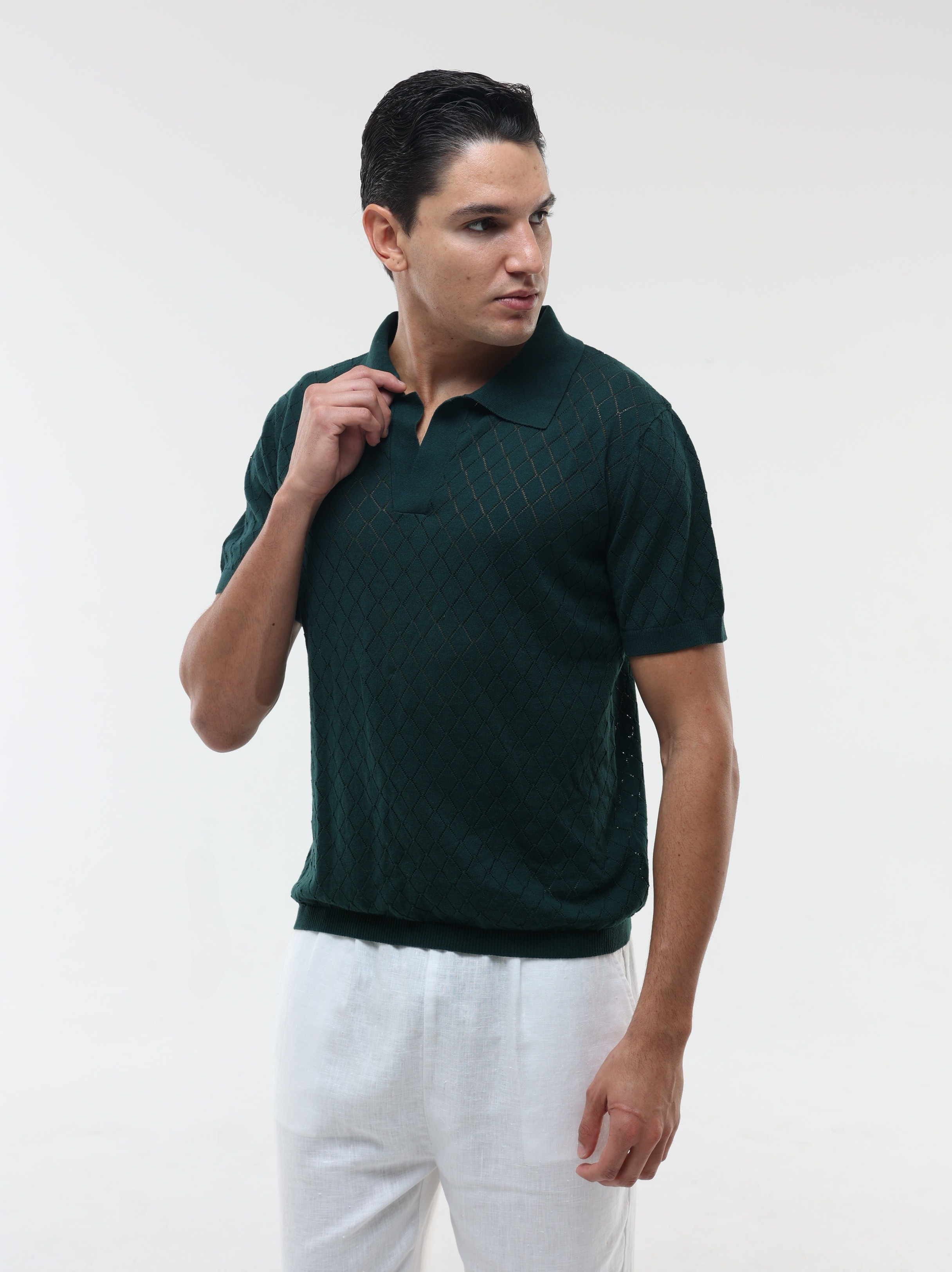

أفضل السترات الرسمية من الأقمشة الطبيعية لترتديها أكثر
قد تبدو السترة (البليزر) أنيقة على علاقة الملابس، ولكنها قد تفشل في الواقع. قد تتجعد بسرعة كبيرة، أو تحبس الحرارة أثناء التنقل، أو تبدو شديدة الصلابة بحيث لا يمكن ارتداؤها بعد الاجتماع. لهذا السبب تتميز سترات الأقمشة الطبيعية - فهي تفعل أكثر من مجرد إكمال الزي. إنها تجعل الخياطة تبدو أسهل وأخف وزناً وأكثر قابلية للارتداء من الصباح إلى المساء.
بالنسبة لخزانة الملابس العصرية، القماش ليس تفصيلاً صغيراً. إنه السبب الذي يجعل السترة قطعة متكررة بدلاً من أن تكون عملية شراء لمرة واحدة. توفر الألياف الطبيعية التهوية والنعومة ونوعاً أكثر استرخاءً من الأناقة التي تعمل بشكل جيد بشكل خاص في المناخات الدافئة وأيام المكتب والسفر والتنسيق اليومي. سيبقى المظهر الأنيق متوفراً، ولكنه لن يبدو مجهداً أبداً.
ما الذي يجعل أفضل سترات الأقمشة الطبيعية تستحق الشراء؟
يجب أن تحافظ السترة الجيدة على شكلها، وأن تتناسب جيداً مع الطبقات الأخرى، وأن تشعر بالراحة بعد ساعات من الارتداء. مع الأقمشة الطبيعية، تميل هذه الراحة إلى أن تأتي بسهولة أكبر. عادةً ما تسمح الكتان والقطن والمخلوطات النباتية بتدفق هواء أكبر من الخيارات الاصطناعية الثقيلة، وهو أمر مهم إذا كنت تنتقل بين درجات حرارة مختلفة في اليوم أو ببساطة تريد خياطة تبدو أقل تقييداً.
هناك أيضاً فرق بصري. الألياف الطبيعية لها نسيج. إنها تلتقط الضوء بطريقة أكثر نعومة وتمنح السترات سهولة تبدو عصرية، خاصة في خزانات الملابس البسيطة. بدلاً من أن تبدو رسمية للغاية، فإنها تخلق توازناً أنظف بين الهيكل والنعومة.
ومع ذلك، طبيعي لا يعني متطابق. تتجعد بعض الأقمشة أكثر. بعضها يبدو هشاً، بينما يبدو البعض الآخر ناعماً وثقيلاً. يعتمد الخيار الأفضل على طريقة ارتدائك للملابس، ومكان إقامتك، ومقدار الهيكل الذي تريده.
أفضل سترات الأقمشة الطبيعية حسب المادة
سترات الكتان
إذا كانت الأولوية القصوى لديك هي التهوية، فإن الكتان عادة ما يكون الخيار الأول. إنه خفيف الوزن وجيد التهوية ومناسب بشكل طبيعي للطقس الدافئ. تتميز سترة الكتان بأناقة مريحة تتناسب مع السراويل المتناسقة، والجينز، والشورتات المخصصة، أو التنانير الانزلاقية دون أن تبدو رسمية للغاية.
المقايضة معروفة جيداً - يتجعد الكتان. بالنسبة للكثيرين، هذا جزء من جاذبيته. يمنحه النسيج الذي عاش فيه قليلاً طابعاً مميزاً. ولكن إذا كنت ترغب في سترة تبقى خالية من التجاعيد تماماً طوال يوم عمل كامل، فقد يتطلب الكتان النقي قبولاً أكثر مما يمكن أن يوفره الصيانة.
غالباً ما تكون أفضل سترات الكتان ذات هيكل خفيف بدلاً من أن تكون صلبة. ابحث عن طيات نظيفة، ودرزات مدروسة، ومقاس يلامس الجسم بدلاً من الالتصاق به. تجعل الألوان المحايدة مثل الأسود، والرملي، والشوفان، والأبيض، والكحلي الكتان يبدو أكثر تنوعاً.
سترات القطن
يحتل القطن مكاناً وسطاً مفيداً. إنه قابل للتنفس وطبيعي، ولكنه عادة ما يكون أكثر هيكلية من الكتان. يمكن أن تبدو سترة القطن أنيقة بما يكفي للعمل بينما تظل مريحة بما يكفي للارتداء اليومي، خاصة إذا كنت تفضل صورة ظلية أكثر حدة.
غالباً ما يكون هذا هو الخيار الأسهل لأي شخص يقوم ببناء خزانة ملابس أساسية. يتناسب القطن جيداً مع السراويل المخصصة والجينز والفساتين والأطقم المتناسقة. كما أنه يميل إلى السفر بشكل أفضل قليلاً من الكتان، على الرغم من أن اللمسة النهائية الدقيقة مهمة. ستبدو سترة قطنية من قماش التويل الحاد مختلفة عن سترة قطنية ناعمة مصقولة.
إذا كنت تريد سترة واحدة لتغطية ساعات المكتب وعشاء عطلة نهاية الأسبوع والتعبئة السريعة للرحلات، فإن القطن هو منافس قوي.
مزيج الكتان والقطن
بالنسبة للعديد من خزانات الملابس، هذا هو الخيار الأمثل. تجمع خلطات الكتان والقطن بين تهوية الكتان وهيكل القطن، مما يعني أنك تحصل على سترة خفيفة الوزن ولكنها ليست حساسة للغاية. عادة ما تتجعد أقل من الكتان النقي وتبدو أكثر أناقة دون أن تفقد ذلك الملمس الطبيعي.
يعمل هذا المزيج بشكل جيد بشكل خاص إذا كنت تحب مظهر الكتان ولكنك تريد قطعة يسهل ارتداؤها بشكل متكرر. إنه يناسب المناخات الدافئة، والطقس الانتقالي، والأيام الطويلة عندما تحتاج إلى سترة يمكن أن تتحرك معك.
بالنسبة للمتسوقين الذين يبحثون عن أفضل سترات الأقمشة الطبيعية ذات النطاق الحقيقي، فإن خلطات الكتان والقطن غالباً ما توفر أكبر توازن.
التنسل ومخلوطات أخرى نباتية
حسب العلامة التجارية، تستخدم بعض السترات أليافًا نباتية إلى جانب الأقمشة الطبيعية لتحسين الملمس والنعومة. على سبيل المثال، يمكن أن يضيف التنسل سيولة وملمسًا أكثر نعومة. والنتيجة غالبًا ما تكون سترة تبدو نظيفة وتشعر بأنها أخف على الجلد.
يمكن أن يكون هذا خيارًا ذكيًا إذا كنت تريد مرونة أقل وحركة أكبر، خاصة في المقاسات الكبيرة أو المقاسات المصممة بشكل ناعم. المفتاح هو التحقق من التركيب الكامل للنسيج. يمكن أن يحسن كمية صغيرة من الألياف المضافة من الارتداء، ولكن السترة التي تُسوق على أنها طبيعية قد تحتوي على نسبة عالية من الألياف الصناعية إذا لم تكن منتبهًا.
كيف تختار السترة المناسبة لخزانة ملابسك
أفضل قماش هو جزء فقط من القرار. الشكل مهم بنفس القدر.
إذا كنت ترتدي ملابس المكتب، ابدأ بسترة ذات هيكل كافٍ لتأطير الكتفين وتحديد خط الجسم. سيبدو المقاس المستقيم أو المقاس المصمم قليلاً من القطن أو مزيج الكتان والقطن أنيقاً مع البنطلونات ولا يزال مريحاً مع الجينز بعد ساعات العمل.
إذا كانت خزانة ملابسك تميل إلى البساطة وغير الرسمية، فإن السترة الكتان الكبيرة يمكن أن تفعل الكثير. يمكن ارتداؤها فوق القمصان بدون أكمام، والبلوزات المحبوكة، والفساتين بجهد قليل جداً. التأثير مريح، ولكنه لا يزال مقصوداً.
إذا كنت تسافر كثيراً أو تعيش في مناخ حار، يجب أن تكون التهوية هي الأولوية. الكتان النقي أو المزيج الخفيف الوزن سيكون عادةً أكثر عملية من أي شيء ثقيل أو مبطن بالصوف الصناعي. قد تبدو السترة المبطنة بالكامل فاخرة، ولكنها قد تكون دافئة جداً للارتداء المتكرر.
اللون يغير كل شيء أيضاً. الأسود والكحلي يبدوان أكثر حدة. الشوفان، البيج، العاجي، والحجري تبدو أخف وأكثر موسمية. إذا كنت تشتري أول سترة لك من القماش الطبيعي، فإن اللون المحايد الناعم غالباً ما يمنحك أوسع نطاق للتنسيق.
تفاصيل المقاس التي تهم أكثر من الموضة
تتحرك دورات الموضة بسرعة. يجب ألا تتحرك السترة الجيدة.
خط الكتف هو أحد أول الأشياء التي يجب تقييمها. إذا كان حادًا جدًا، فقد تبدو القطعة قديمة أو رسمية بشكل مفرط. إذا كانت منسدلة جدًا، فقد تفقد تحديدها. المقاس الأفضل عادة ما يبدو مقصودًا بدلاً من كونه دراماتيكيًا.
الطول مهم بطريقة مماثلة. يمكن أن تعمل السترات القصيرة جيدًا مع السراويل عالية الخصر أو الفساتين، ولكن القص الذي يصل إلى الورك أو أطول قليلاً يميل إلى أن يكون أكثر تنوعًا. إنه يعمل عبر المواسم ويبدو أسهل في التنسيق الرسمي أو الكاجوال.
ثم هناك مسألة السهولة. يجب أن تسمح السترة بوجود مساحة لبلوزة خفيفة، أو قميص، أو بلوزة ضيقة تحتها. إذا كانت لا تعمل إلا فوق قميص داخلي، فمن المرجح أن يظل معدل ارتدائها محدودًا.
تستفيد خزانات الملابس البسيطة من القطع التي تؤدي أكثر من وظيفة واحدة. هنا تكمن ميزة التصميمات المصممة بعناية. تتعامل العلامات التجارية مثل ZAVI مع السترات كجزء من خزانة ملابس للاستخدام المتكرر، وليس لحظة تنسيق واحدة. هذا التحول مهم.
متى تكون سترات الأقمشة الطبيعية الخيار الأفضل
تتميز سترات الأقمشة الطبيعية بقوتها بشكل خاص في بعض المواقف. لملابس الطقس الدافئ، يصعب التغلب عليها. التهوية وحدها تجعلها أكثر راحة من العديد من البدائل الاصطناعية. للسفر، غالبًا ما تكون أخف وزناً وأسهل في التنسيق. للارتداء من النهار إلى الليل، توفر الأناقة دون تصلب.
كما أنها منطقية لأي شخص يحاول الشراء أقل ولكن يرتدي أكثر. غالبًا ما تبدو سترة من الكتان أو القطن أو مزيج مدروس أكثر خلودًا من كونها مرتبطة بالموضة. يمكنك ارتداؤها مفتوحة فوق تيشيرت، أو بأزرار مع بنطلون متناسق، أو ملقاة على الكتفين في المساء. تصبح جزءًا من طريقة ارتدائك للملابس، وليس مجرد شيء تحتفظ به لمناسبة رسمية.
ومع ذلك، هناك حالات قد يكون فيها مزيج الألياف الاصطناعية جذابًا. إذا كنت بحاجة إلى أقصى مقاومة للتجاعيد أو شكل منظم للغاية، فإن بعض التصميمات المختلطة يمكن أن توفر ذلك بسهولة أكبر. ولكن الراحة والتهوية والملمس عادة ما تفضل الألياف الطبيعية.
معيار سريع للتسوق الأفضل
عند مقارنة أفضل سترات الأقمشة الطبيعية، ركز على أربعة أشياء: تركيب القماش، البطانة، المقاس، ونطاق التنسيق. يخبرك القماش كيف سيكون ملمسه. تخبرك البطانة بمدى دفئه. يحدد المقاس ما إذا كنت سترتديها بالفعل. نطاق التنسيق هو ما يحول السترة إلى قطعة أساسية في خزانة الملابس.
تجاهل اللغة التسويقية التي تبدو جيدة ولكنها لا تقول شيئًا يذكر. بدلاً من ذلك، ابحث عن محتوى ألياف واضح، وبناء نظيف، وتصميمات تناسب طريقة ارتدائك للملابس بالفعل. أفضل سترة ليست الأكثر دراماتيكية. إنها تلك التي يمكنك ارتداؤها للعمل، للعشاء، في رحلة طيران، ومرة أخرى في الأسبوع القادم دون الحاجة إلى إعادة التفكير في الزي.
يجب أن تجعل سترة القماش الطبيعي عملية ارتداء الملابس تبدو أخف. وليس أكثر صخباً. إذا كانت تتنفس جيدًا، وتتناسق بسهولة، وتحافظ على أناقتها عبر المواسم، فقد وجدت نوع القطعة التي تستحق مكانها بمرور الوقت.


%20%D8%A3%D9%86%D9%8A%D9%82%D8%A9%20%D8%B9%D9%84%D9%89%20%D8%B9%D9%84%D8%A7%D9%82%D8%A9%20%D8%A7%D9%84%D9%85%D9%84%D8%A7%D8%A8%D8%B3%D8%8C%20%D9%88%D9%84%D9%83%D9%86%D9%87%D8%A7%20%D9%82%D8%AF%20%D8%AA%D9%81%D8%B4%D9%84%20%D9%81%D9%8A%20%D8%A7%D9%84%D9%88%D8%A7%D9%82%D8%B9.%20%D9%82%D8%AF%20%D8%AA%D8%AA%D8%AC%D8%B9%D8%AF%20%D8%A8%D8%B3%D8%B1%D8%B9%D8%A9%20%D9%83%D8%A8%D9%8A%D8%B1%D8%A9%D8%8C%20%D8%A3%D9%88%20%D8%AA%D8%AD%D8%A8%D8%B3%20%D8%A7%D9%84%D8%AD%D8%B1%D8%A7%D8%B1%D8%A9%20%D8%A3%D8%AB%D9%86%D8%A7%D8%A1%20%D8%A7%D9%84%D8%AA%D9%86%D9%82%D9%84%D8%8C%20%D8%A3%D9%88%20%D8%AA%D8%A8%D8%AF%D9%88%20%D8%B4%D8%AF%D9%8A%D8%AF%D8%A9%20%D8%A7%D9%84%D8%B5%D9%84%D8%A7%D8%A8%D8%A9%20%D8%A8%D8%AD%D9%8A%D8%AB%20%D9%84%D8%A7%20%D9%8A%D9%85%D9%83%D9%86%20%D8%A7%D8%B1%D8%AA%D8%AF%D8%A7%D8%A4%D9%87%D8%A7%20%D8%A8%D8%B9%D8%AF%20%D8%A7%D9%84%D8%A7%D8%AC%D8%AA%D9%85%D8%A7%D8%B9.%20%D9%84%D9%87%D8%B0%D8%A7%20%D8%A7%D9%84%D8%B3%D8%A8%D8%A8%20...)