
10 Best Cotton Polos for Men by Fit and Feel
A polo earns its place when a T-shirt feels too casual and a button-down feels like too much. The best cotton polos for men handle that middle ground with ease: breathable enough for warm days, polished enough for a meeting, and simple enough to wear on repeat.
Cotton is the right starting point, but not every cotton polo wears the same. The knit, weight, collar, fit, and finishing details all change how it looks after a full day and how often you will reach for it. Choose well, and this familiar essential becomes one of the hardest-working pieces in a considered wardrobe.
What Makes the Best Cotton Polos for Men?
A strong cotton polo should feel soft without going limp. It should hold its shape through the shoulders, sit cleanly at the collar, and have enough structure to look intentional with tailored trousers or relaxed with shorts. Fabric quality matters because a polo is usually worn close to the body and often in heat.
Piqué cotton is the classic choice. Its textured, breathable knit creates a subtle visual depth and keeps the shirt from clinging too closely. It is dependable for everyday wear, especially when you want a sport-inspired piece with a more refined finish. Smooth jersey cotton has a cleaner, lighter appearance, closer to a premium T-shirt with a collar. It works particularly well for minimal wardrobes and relaxed styling.
Also look at fiber composition. A 100% cotton polo offers a natural hand feel and reliable breathability. A small amount of stretch can improve recovery at the elbows and keep a fitted silhouette neat, but too much synthetic fiber can compromise the dry, breathable character that makes cotton so appealing in the first place.
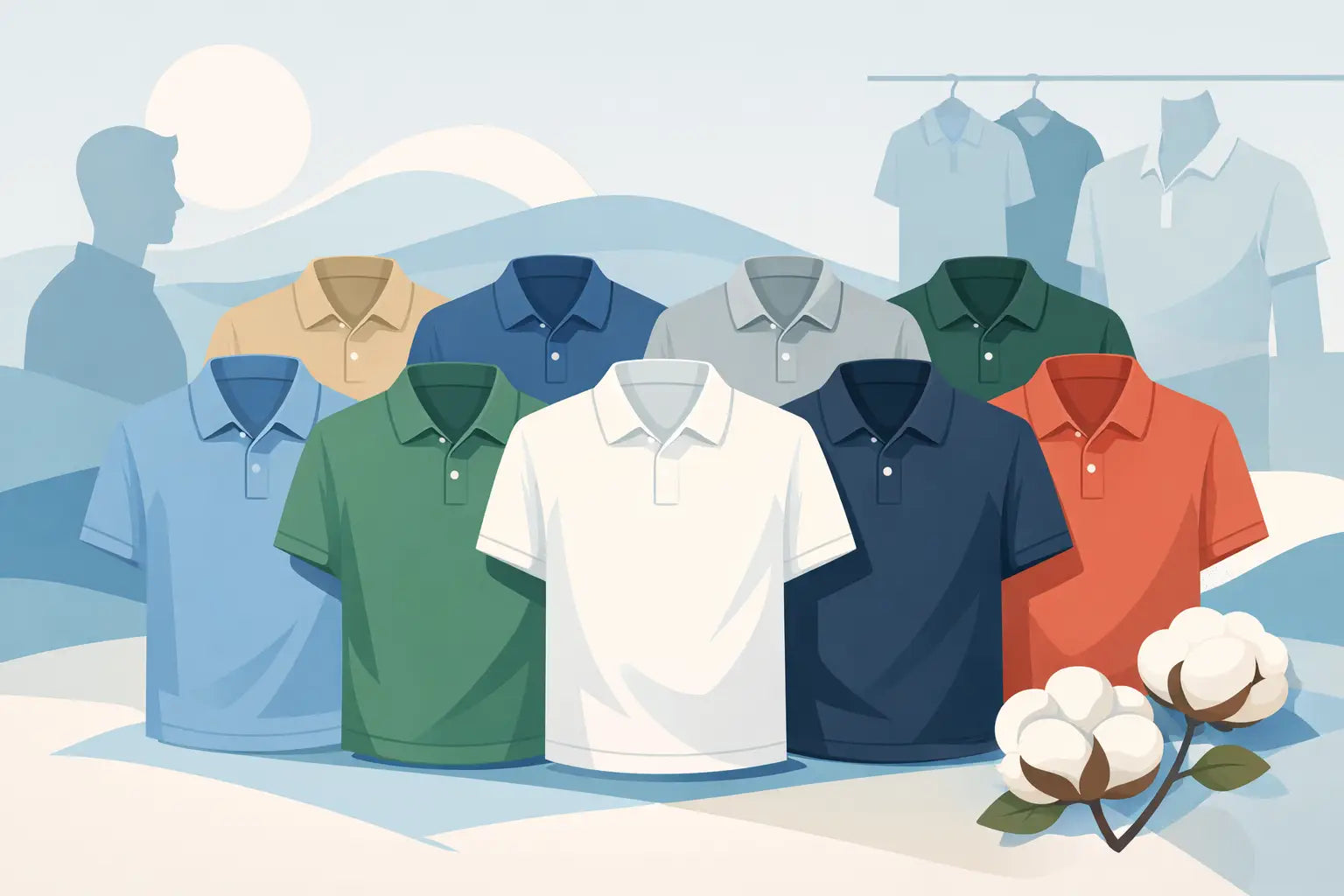
1. The Classic Piqué Polo
The classic piqué polo is the most versatile option in the category. It works with chinos, denim, linen trousers, and tailored shorts, making it a practical choice for office casual dress codes, weekends, and travel.
Choose a medium-weight piqué rather than an overly thin knit. It will skim the body more cleanly and is less likely to show every crease or lose shape at the placket. In navy, black, white, stone, or deep olive, it becomes an easy foundation for repeat outfits.
2. The Slim-Fit Cotton Polo
A slim-fit polo is best for men who prefer a sharper line under overshirts, jackets, or lightweight tailoring. The key is distinction between slim and tight. The shoulder seam should land at the edge of the shoulder, while the chest should allow comfortable movement without pulling across the buttons.
Look for sleeves that finish around the mid-bicep and a body length that does not extend too far below the hip. This proportion keeps the silhouette clean whether worn untucked with trousers or tucked into pleated pants. If the fabric is especially fine, a slightly less fitted cut often looks more elevated.
3. The Relaxed Cotton Polo
Relaxed does not mean oversized by default. The best relaxed cotton polos have a little extra room through the chest and torso, a dropped but controlled shoulder, and a hem that stays neat. They offer a modern alternative to the traditional fitted golf-shirt shape.
This style suits wide-leg trousers, drawstring pants, and longer shorts. Choose a smooth jersey knit or a fine-gauge cotton for a pared-back look. A camp-style open collar can feel especially appropriate for resort dressing, but it is less formal than a button placket and may not be the right choice for conservative workplaces.
4. The Long-Sleeve Cotton Polo
For cooler evenings, air-conditioned offices, and transitional weather, a long-sleeve cotton polo brings quiet polish. It carries the ease of knitwear without the weight of a sweater. Fine cotton knits are especially useful here because they layer smoothly under a blazer or overshirt.
Prioritize cuff construction. Ribbed cuffs should feel secure but not restrictive, and the sleeves should not bunch heavily at the wrist. In charcoal, espresso, or navy, a long-sleeve polo can replace a casual shirt when the dress code calls for something considered but uncomplicated.
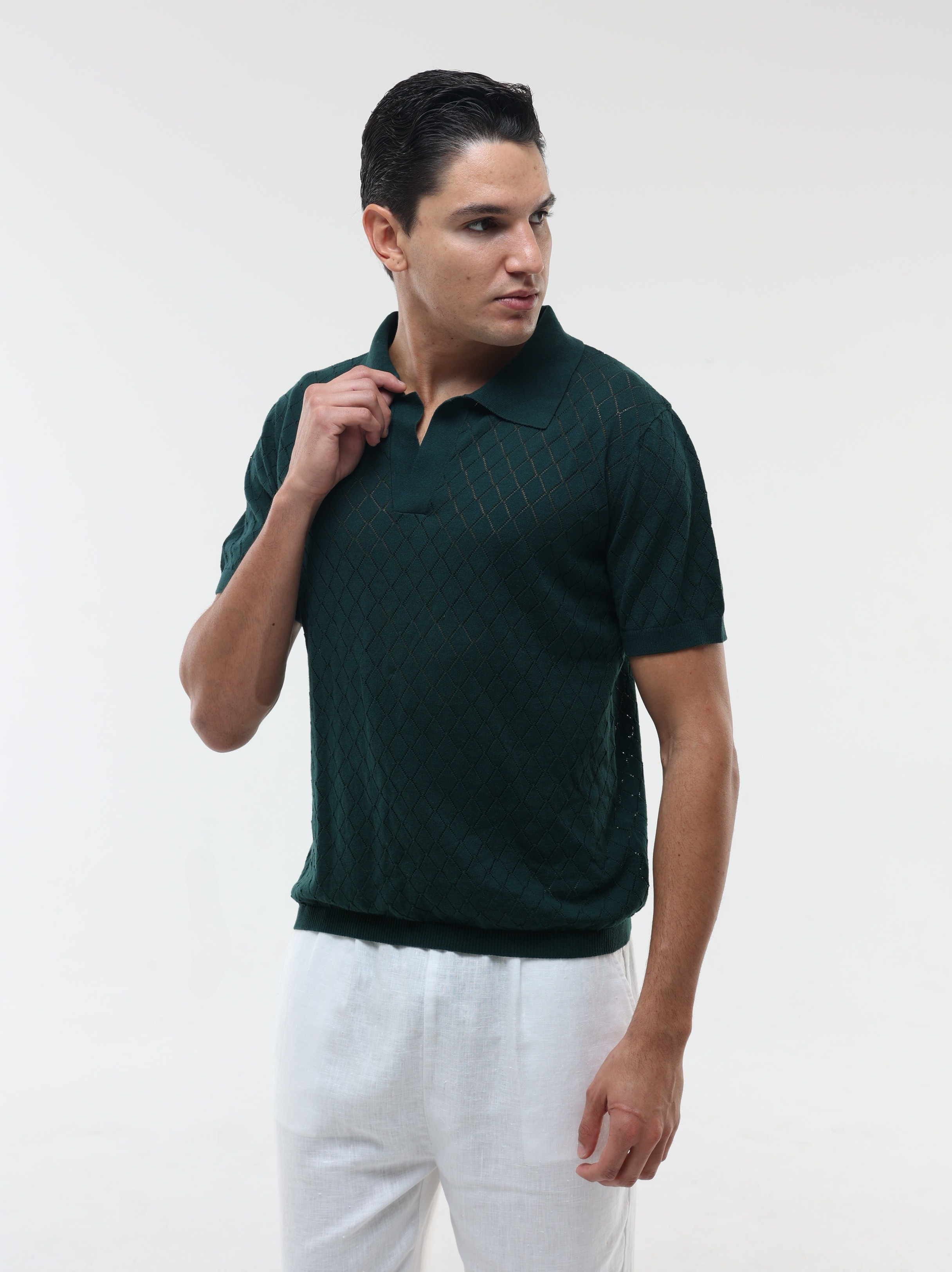
5. The Knitted Cotton Polo
A knitted cotton polo feels more elevated than a standard piqué style. The surface is smoother, the drape is softer, and the overall effect leans more tailored. It is a strong option for dinners, creative workplaces, and occasions where a basic tee would feel underdressed.
A fitted knitted polo pairs well with high-rise trousers and loafers. A more relaxed version works with pleated linen pants and clean sneakers. Because fine knitwear can show wear sooner than textured piqué, check the neckline, hem, and sleeve edges for resilient ribbing.
6. The Open-Collar Cotton Polo
An open-collar polo, sometimes called a Johnny collar polo, has no button placket. Its clean V-shaped opening gives it a more relaxed, resort-ready character. It is one of the best options for warm-weather plans when you still want a finished look.
This is not the most versatile polo for every setting. It reads more casual than a classic buttoned collar and is best kept for off-duty outfits, vacations, and informal gatherings. Pair it with tailored shorts or lightweight trousers rather than athletic bottoms to preserve its refined feel.
7. The Lightweight Summer Polo
High heat calls for lighter cotton, but lightweight should not mean flimsy. The best summer polos use breathable piqué, airy cotton jersey, or cotton blends with an open knit that allows airflow while retaining a clean silhouette.
Pale neutrals work naturally in warm climates: ecru, soft gray, sand, faded blue, and muted sage. They reflect the ease of the season and coordinate effortlessly with linen, cotton twill, and relaxed tailoring. A lighter color may require a slightly denser fabric to avoid transparency, especially in white or cream.
8. The Structured Workwear Polo
A polo can work in professional settings when its details are restrained. Choose a structured collar, minimal branding, a two- or three-button placket, and a solid, deeper color. Avoid contrast piping, prominent logos, and overly sporty panels when the goal is office-ready polish.
Wear it with tailored chinos, straight-leg trousers, or an unstructured blazer. The fit should be close enough to look intentional under a jacket, but not so close that the placket pulls when seated. This is where a stable cotton piqué earns its value.
9. The Textured Cotton Polo
Texture creates interest without relying on loud prints. Waffle knits, ribbed cotton, and subtle pointelle patterns add depth to neutral outfits while keeping the palette minimal. A textured polo can make black trousers and white sneakers feel more deliberate with almost no extra effort.
Consider where you will wear it. Heavier textures tend to feel casual and are ideal for weekends, while fine ribbing can look sophisticated enough for evening. Textured cotton also benefits from careful washing, as aggressive heat can flatten the surface or distort the knit.
10. The Everyday Black or Navy Polo
If you are buying one polo first, make it black or navy. These shades feel polished, hide the minor signs of a long day, and work across seasons. A black cotton polo has a modern, pared-back presence with stone trousers or dark denim, while navy is slightly softer and especially easy with beige, white, and olive.
The value of a dark neutral is not that it is dramatic. It is that it removes friction from getting dressed. The right polo can move from a morning commute to dinner plans without demanding a change of outfit.
Fit Details That Change Everything
The collar is the first thing people notice, and it is often where lower-quality polos fail. It should lie flat when open, hold its shape when buttoned, and recover after washing. A collar that curls or collapses can make an otherwise good outfit look careless.
Pay attention to the placket too. Two buttons create a relaxed look, while three can feel slightly more traditional and adjustable. Neither is automatically better. A two-button polo is often cleaner for minimal styling; a three-button design can be useful if you prefer more coverage or want to control the neckline.
Hem length is equally important. A polo should generally cover the waistband without reaching far past the fly. Side vents help it sit more naturally over trousers, especially when untucked. If you regularly tuck in your polos, choose a slightly longer back hem and a fabric with enough weight to stay in place.
How to Style a Cotton Polo With Less Effort
For a refined daily uniform, pair a navy piqué polo with straight-leg beige trousers and low-profile leather sneakers. For warmer weekends, an ecru open-collar cotton polo with tailored shorts feels relaxed without looking unfinished. A fine-knit black polo with charcoal trousers and loafers is an easy evening formula.
Keep the rest of the outfit quiet. A polo already has built-in structure through its collar and placket, so it rarely needs loud accessories or competing prints. Clean proportions and natural fabrics do more. At ZAVI, consciously designed cotton pieces fit this approach well: modern essentials that can be styled repeatedly rather than treated as single-season purchases.
Care for Cotton Polos So They Keep Their Shape
Wash cotton polos inside out in cool water with similar colors. High heat is the main enemy of collars, shrinkage, and knit recovery, so skip the hottest dryer setting. Reshape the collar and placket while the garment is damp, then air-dry flat or on a hanger when possible.
A polo does not need to be washed after every short wear unless it has been exposed to sweat, sunscreen, or stains. Giving it a little breathing room between wears reduces unnecessary washing and helps preserve both the fabric and its finish.
The best choice is the polo that fits your actual week. Build around one dependable piqué style, then add a fine knit or open-collar version when you want a change in texture or mood. Fewer, better cotton polos will take you further than a drawer full of compromises.