

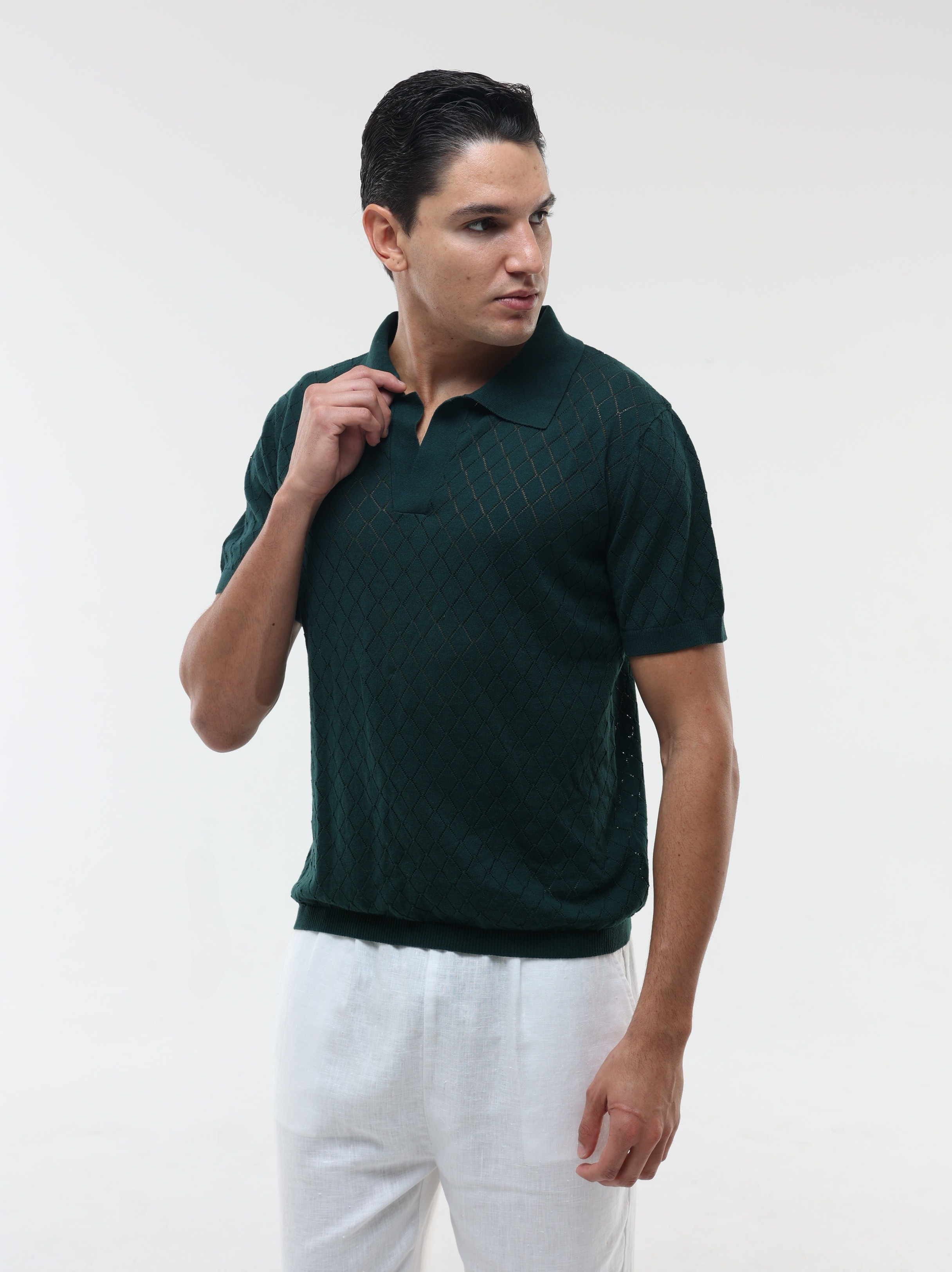


كيفية تنسيق السترة الصدرية للإطلالات اليومية
يمكن للصدرية أن تصقل مظهرك في ثوانٍ، لكن الفرق بين المظهر الأنيق والزائد عن الحد غالبًا ما يعود إلى التناسب. إذا كنتِ تتساءلين عن كيفية تنسيق الصدرية بطريقة عصرية وعملية وسهلة التكرار، فابدئي بمعاملتها كقطعة أساسية في خزانة الملابس بدلاً من قطعة مميزة. الصدرية المناسبة تتناسب مع الملابس الرسمية، والدنيم، والتنانير، والطبقات المريحة، وهذا هو بالضبط سبب حصولها على مكان في خزانة الملابس المدروسة.
لماذا تعمل الصدرية الآن؟
لقد تجاوزت الصدرية بكثير الملابس الرسمية. في خزانة الملابس العصرية، تحتل مكانة بين البلوزة والطبقة الخفيفة وقطعة أساسية للملابس الرسمية. هذه المرونة هي ما يجعلها مفيدة للغاية، خاصة إذا كنتِ ترتدين ملابس لأيام كاملة تتنقلين فيها من الاجتماعات إلى العشاء، أو من السفر إلى خطط المدينة دون تغيير كامل للملابس.
كما أنها تناسب الأسلوب البسيط. الصدرية ذات القصة النظيفة تضيف هيكلًا دون تضخيم السترة، وتخلق مظهرًا مكتملًا بجهد قليل جدًا. في الطقس الدافئ، هذا مهم. الأقمشة القابلة للتنفس مثل الكتان والقطن تحافظ على شكلها الأنيق بينما تظل خفيفة بما يكفي للارتداء اليومي.
كيفية تنسيق الصدرية دون أن تبدو رسمية
أسهل خطأ هو معاملة الصدرية كملابس للمناسبات فقط. النهج الأفضل هو إرخاء جزء واحد من الزي. إذا كانت الصدرية مصممة خصيصًا، فارتديها مع أشكال أكثر نعومة، أو أقمشة غير رسمية، أو إكسسوارات بسيطة. هذا التباين يحافظ على المظهر عصريًا.
الصدرية مع البنطال المطابق يمنحك خطًا نظيفًا وممتدًا وهو أحد أكثر المجموعات الموثوقة للعمل أو المناسبات. لجعله يبدو أقل صلابة، اختاري مقاسًا مريحًا للساق وحافظي على الأسلوب بسيطًا. يمكن للصنادل المسطحة، أو الأحذية اللوفر، أو الأحذية الرياضية الأنيقة أن تجعل المجموعة مناسبة للاستخدام اليومي حسب القصة.
إذا كنتِ ترغبين في شيء أكثر راحة، ارتدي الصدرية مع جينز بقصة مستقيمة. يعمل هذا بشكل جيد بشكل خاص عندما يكون القماش ذو نسيج، مثل الكتان أو القطن، لأنه يخفف من الشعور الرسمي. الدنيم الداكن يضيف أناقة. الغسيل الفاتح يبدو أكثر استرخاءً. كلاهما يمكن أن يعمل - يعتمد الأمر على ما إذا كنتِ تريدين أن يميل الزي إلى الأناقة أو الكاجوال.
ابدئي بالتناسب
تنسيق الصدرية الجيد يتعلق في الغالب بالتوازن. نظرًا لأن القطعة منظمة وغالبًا ما تكون قريبة من الجسم، فإنها تبدو أفضل عندما تدعم بقية الزي هذا الشكل بدلاً من التنافس معه.
تتناسب الصدرية القصيرة أو الضيقة جيدًا مع البناطيل ذات الخصر العالي، أو البناطيل ذات الأرجل الواسعة، أو التنانير الطويلة. الارتفاع الأعلى يحافظ على الخط نظيفًا ويجعل الزي يبدو مقصودًا. إذا كانت الصدرية أطول وأكثر استرخاءً، فإن البناطيل الضيقة أو الملابس الرسمية ذات الثنيات الناعمة عادة ما تخلق توازنًا أفضل.
هذا هو أيضًا حيث تهم خطوط العنق والأكتاف. يمكن للصدرية ذات الياقة النظيفة على شكل حرف V أن تطيل الجسم وتناسب بسهولة فوق القمصان أو تحت السترات. الياقة الأعلى تبدو أكثر عصرية وغالبًا ما تعمل بشكل أفضل عند ارتدائها بمفردها. لا يوجد الأفضل. يعتمد الأمر على أسلوبك وتناسبك ومقدار الطبقات التي ترغبين فيها بالفعل من القطعة.
الصدرية كقطعة علوية
إحدى أنظف الطرق لارتداء الصدرية هي زرها كقطعة علوية. تبدو أنيقة وبسيطة وواثقة، خاصة في الأشهر الأكثر دفئًا عندما يبدو إضافة طبقات إضافية غير ضروري.
للعمل، ارتديها مع بنطلون رسمي بنفس اللون أو بلون متباين ناعم. فكري في الأسود مع الكريمي، أو الشوفان مع الأبيض، أو الكحلي مع الحجري. الحفاظ على لوحة الألوان ضيقة يجعل الزي يبدو راقيًا دون الحاجة إلى الكثير. أضيفي كعبًا منخفضًا أو حذاءً مسطحًا مصقولًا وحافظي على المجوهرات بسيطة.
في عطلات نهاية الأسبوع، ارتدي نفس الصدرية مع الدنيم، أو بنطلون كتان سهل الارتداء، أو تنورة عمودية. الجاذبية هنا هي السهولة. يبدو الزي مدروسًا، لكنه لا يبدو مبالغًا فيه. هذا التوازن هو جزء من قيمة الصدرية في خزانة الملابس المتكررة.
إذا كنتِ تفضلين تغطية أكبر، يمكن أن تعمل تي شيرت ضيقة أو قميص خفيف الوزن تحتها جيدًا. فقط حافظي على الطبقة الأساسية ناعمة وقريبة من الجسم. الكثير من الحجم تحت صدرية منظمة يمكن أن يتكتل ويشوه الشكل.
الطبقات للعمل والسفر
الصدرية هي إحدى أكثر قطع الطبقات عملية في خزانة الملابس الانتقالية. تضيف تحديدًا تحت السترة واهتمامًا فوق القميص، دون جعل الزي ثقيلًا.
للمكتب، ارتديها فوق قميص أبيض مقلم مع بنطلون رسمي. هذه المجموعة لها هيكل، لكنها لا تزال تبدو أخف من مظهر من ثلاث قطع كامل. إذا كان مكان عملك يميل إلى الاسترخاء، استبدلي القميص الكلاسيكي بقطعة محبوكة ناعمة أو قميص جيرسيه ناعم. النتيجة لا تزال أنيقة، ولكن أقل تقليدية.
لـ السفر أو الأيام الطويلة في الخارج، الراحة أهم من الملابس الرسمية الصارمة. يمكن للصدرية الكتان فوق فستان بلا أكمام أو قميص مريح أن تخلق شكلًا مع الحفاظ على التهوية. هنا تظهر الأقمشة الطبيعية المصممة بعناية حقًا - فهي تساعد الزي على الظهور متماسكًا مع البقاء سهل الارتداء في الحرارة، أو أثناء التنقل، أو خلال تغيير الخطط.
المجموعات المتطابقة تجعل التنسيق أسهل
إذا كنتِ تريدين الإجابة الأكثر وضوحًا على كيفية تنسيق الصدرية، فابدئي بـ مجموعة متطابقة. الصدرية مع بنطلون أو شورت متناسق يزيل التخمين ويمنحك خيارات متعددة للأزياء من عملية شراء واحدة.
ارتدي المجموعة الكاملة عندما تريدين خطًا حادًا وغير متقطع. افصليها عندما تريدين نطاقًا أوسع. يمكن أن تذهب الصدرية مع الجينز، أو التنانير، أو البناطيل المريحة، بينما يمكن ارتداء القطعة السفلية المطابقة مع تيشيرتات، أو قمصان، أو قطع محبوكة خفيفة الوزن. هذا النوع من التنوع هو ما يجعل القطع المتطابقة تستحق العناء.
تعتمد علامة تجارية بسيطة مثل ZAVI بشكل طبيعي على هذا النوع من اللباس لأنه يدعم الارتداء المتكرر. بدلاً من بناء الأزياء حول قطع فريدة، تقومين بإنشاء مجموعات تستمر في العمل موسمًا بعد موسم.